Home > Products > Control Cables

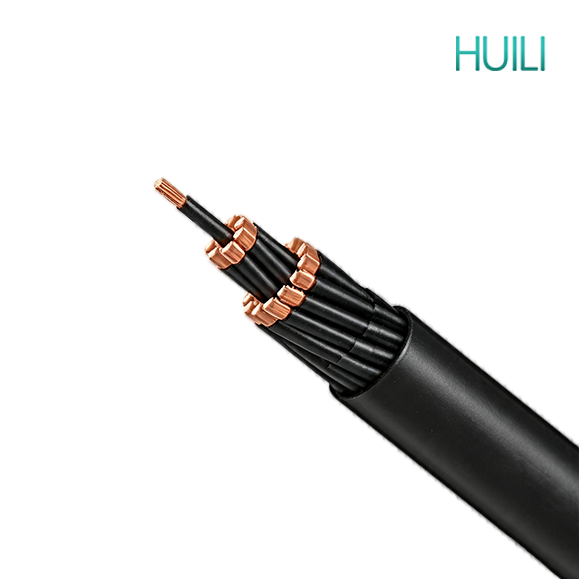
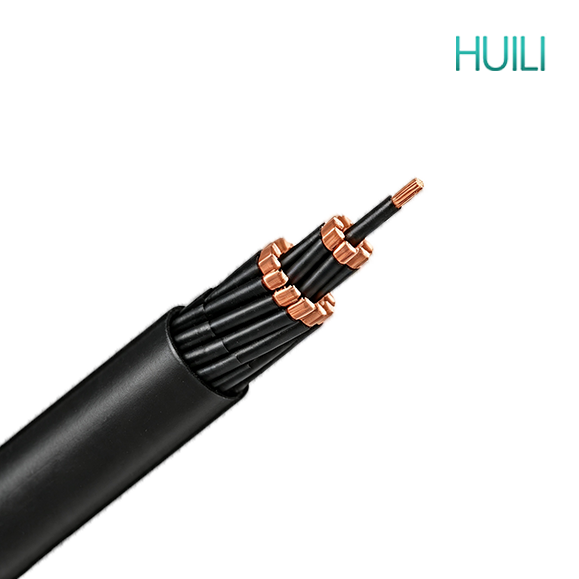
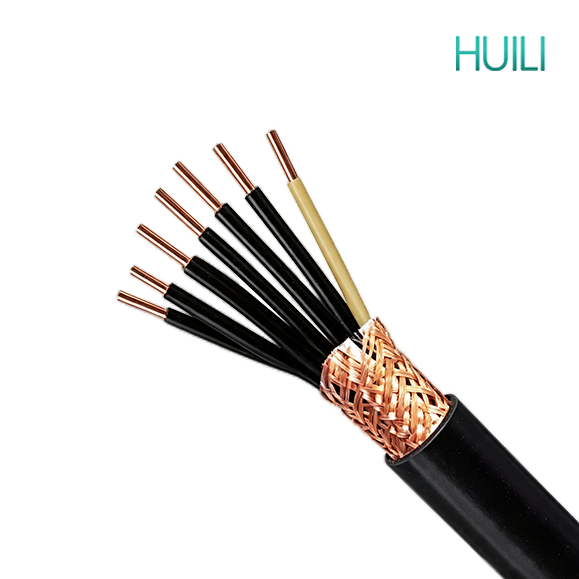
Control Cable N2XY XLPE Insulated- CU/XLPE/PVC- Cable

Control Cable N2XY XLPE Insulated- CU/XLPE/PVC- Cable

Control cables transmit control and measuring signals rather than heavy power. They are widely used in power stations, substations, industrial automation, fire protection, buildings, new energy and municipal projects. Various types with shielding, fire resistance, flexibility and armor are available to fit indoor, outdoor, buried and harsh industrial installation environments.

APPLICAITON


Control cables transmit control and measuring signals rather than heavy power. They are widely used in power stations, substations, industrial automation, fire protection, buildings, new energy and municipal projects. Various types with shielding, fire resistance, flexibility and armor are available to fit indoor, outdoor, buried and harsh industrial installation environments.

Construction


d21ce85716537cf7a32d5896a21a63ca


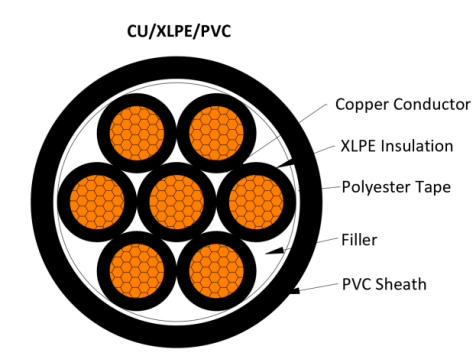
• Conductor: Copper, class 1,2, or 5,solid,stranded round or soft conductor
• Insulation: Cross-linked polyethylene XLPE
• Filler: Non-hygroscopic material
• Binder: Non-hygroscopic material
• Outer sheath: Polyvinyl chloride PVC

• Rated Voltage:300/500V, 450/750V, 0.6/1kV

CHARACTERISTICS

Characteristics of XLPE Insulated Control Cables

1. Advantages

(1) Outstanding heat resistance & higher current-carrying capacity

XLPE (Cross-Linked Polyethylene) has a long-term continuous operating temperature of 90°C, far higher than PVC’s 70°C. It delivers larger allowable ampacity with the same conductor cross-section, suitable for densely laid cable trenches and high-temperature distribution rooms without overheating risks. It can withstand short-circuit high temperature up to 250°C for a short period.

(2) Excellent ageing & weather resistance

XLPE features strong anti-ultraviolet and anti-oxidation performance. It does not pulverize or crack under long-term sunlight exposure, supporting direct outdoor laying (with proper outer sheath). It resists thermal ageing under sustained high temperature, extending the cable service life significantly.

(3) Low smoke & halogen-free optional, eco-friendly fire safety

Standard XLPE itself contains no halogen. Halogen-free low-smoke XLPE control cables release minimal non-toxic fumes during combustion, without corrosive hydrogen chloride gas. They are mandatory for underground subways, hospitals, shopping malls, data centers and high-rise public buildings requiring environmental fire protection.

(4) Superior insulation electrical performance

XLPE boasts extremely low dielectric loss, stable insulation resistance and high breakdown voltage. Its electrical properties barely decline with temperature rise, ideal for precise signal transmission, weak-current instrument control and high-interference industrial control loops.

(5) Good chemical & moisture resistance

It resists dilute acids, alkalis, mineral oil and most chemical solvents, and hardly absorbs water vapor. It maintains stable insulation performance in damp underground trenches, water treatment plants and mildly polluted industrial workshops.

(6) Stable mechanical properties

Balanced hardness and flexibility: resistant to extrusion, abrasion and minor impact during construction. It does not soften and flow under high temperature like PVC, avoiding short-circuit hazards caused by insulation melting.

(7) Wide low-temperature adaptability

XLPE remains flexible at -40°C without embrittlement, applicable to outdoor fixed laying in cold northern regions without extra anti-freezing protection.

2. Disadvantages

(1) Higher material & production cost

Cross-linking processing increases manufacturing expenses. XLPE control cables cost 30%~50% more than equivalent PVC insulated KVV cables, raising total project investment for large-scale ordinary civil projects.

(2) Slightly stiffer than soft PVC

XLPE insulation has higher rigidity. It is less flexible than PVC cables when bending tightly inside compact control cabinets, requiring larger bending radii during installation.

(3) Limited flame retardancy of ordinary XLPE

Common non-flame-retardant XLPE will burn continuously when exposed to open fire. Flame-retardant or low-smoke halogen-free grades must be customized for fire-critical areas.

3. Common Model Derivatives & Extra Functions

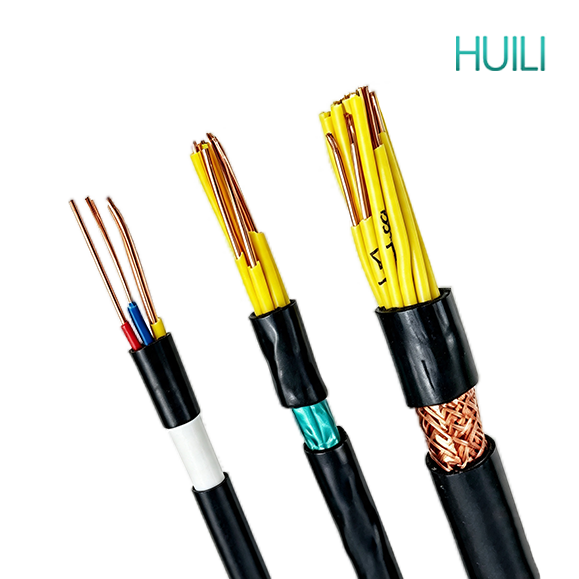
  1. KYJV: Basic XLPE insulated, PVC outer sheath control cable, for general indoor/outdoor fixed wiring.
  2. KYJVP: Copper braided shielded type, suppresses electromagnetic interference for PLC, frequency converters and precision detection instruments.
  3. KYJV22: Double steel tape armored, pressure-resistant, anti-rodent, allowed for direct underground burial.
  4. WDZ-KYJY: Low-smoke zero-halogen flame-retardant XLPE control cable, used in public buildings with strict environmental protection standards.

4. Applicable & Inapplicable Scenarios

Suitable Scenarios

  • High-temperature power distribution rooms, boiler auxiliary control circuits
  • Outdoor exposed cable trays, open-air industrial areas and cold northern projects
  • Subways, hospitals, schools, commercial complexes and data centers (halogen-free required)
  • Precision automation production lines, inverter control systems with strong electromagnetic interference
  • Underground direct burial, damp chemical workshops with light oil/acid pollution

Unsuitable Scenarios

  • Low-budget ordinary factory cabinet wiring with no high temperature or fire protection requirements
  • Equipment needing frequent repeated bending movement (rubber flexible cables are better)

STANDARD


IEC 60227

IEC 60502-1

IEC 60332

EN 50525

EN 50288

EN 50575

BS 5308

VDE 0281

CSA C22.2

AS/NZS 5000.3

No. of Cores and Nominal Cross Section Conductor Type Nominal Insulation Thickness Nominal Sheath Thickness Approx. Overall Diameter Approx. Weight Max. D.C. Resistance of Conductor at 20℃
No. × mm² mm mm mm kg/km Ω/km
2×0.5 2 0.6 1.8 10.9 170 36
2×0.75 2 0.6 1.8 11.3 189 24.5
2×1 2 0.6 1.8 11.7 202 18.1
2×1.5 2 0.7 1.8 12.7 240 12.1
2×2.5 2 0.7 1.8 13.5 275 7.41
2×4 2 0.7 1.8 14.6 331 4.61
2×6 2 0.7 1.8 15.7 390 3.08
2×10 2 0.7 1.8 17.5 525 1.83
3×0.5 2 0.6 1.8 11.2 187 36
3×0.75 2 0.6 1.8 11.7 212 24.5
3×1 2 0.6 1.8 12.1 228 18.1
3×1.5 2 0.7 1.8 13.2 264 12.1
3×2.5 2 0.7 1.8 14.1 311 7.41
3×4 2 0.7 1.8 15.2 383 4.61
3×6 2 0.7 1.8 16.4 469 3.08
3×10 2 0.7 1.8 18.3 643 1.83
4×0.5 2 0.6 1.8 11.8 200 36
4×0.75 2 0.6 1.8 12.3 222 24.5
4×1 2 0.6 1.8 12.7 252 18.1
4×1.5 2 0.7 1.8 13.9 306 12.1
4×2.5 2 0.7 1.8 15 365 7.41
4×4 2 0.7 1.8 16.3 457 4.61
4×6 2 0.7 1.8 17.6 568 3.08
4×10 2 0.7 1.8 19.7 805 1.83
5×0.5 2 0.6 1.8 12.4 219 36
5×0.75 2 0.6 1.8 12.9 258 24.5
5×1 2 0.6 1.8 13.4 281 18.1
5×1.5 2 0.7 1.8 14.8 341 12.1
5×2.5 2 0.7 1.8 15.9 417 7.41
5×4 2 0.7 1.8 17.4 528 4.61
5×6 2 0.7 1.8 18.8 649 3.08
5×10 2 0.7 1.8 21.3 943 1.83
No. of Cores and Nominal Cross Section Conductor Type Nominal Insulation Thickness Nominal Sheath Thickness Approx. Overall Diameter Approx. Weight Max. D.C. Resistance of Conductor at 20℃
No. × mm² mm mm mm kg/km Ω/km
6×1 2 0.6 1.8 14.2 297 18.1
6×1.5 2 0.7 1.8 15.7 366 12.1
6×2.5 2 0.7 1.8 16.9 449 7.41
6×4 2 0.7 1.8 18.6 574 4.61
6×6 2 0.7 1.8 20.2 726 3.08
6×10 2 0.7 1.8 22.9 1016 1.83
7×0.5 2 0.6 1.8 13 245 36
7×0.75 2 0.6 1.8 13.6 277 24.5
7×1 2 0.6 1.8 14.2 307 18.1
7×1.5 2 0.7 1.8 15.7 382 12.1
7×2.5 2 0.7 1.8 16.9 474 7.41
7×4 2 0.7 1.8 18.6 613 4.61
7×6 2 0.7 1.8 20.2 775 3.08
7×10 2 0.7 1.8 22.9 1097 1.83
8×0.5 2 0.6 1.8 13.9 274 36
8×0.75 2 0.6 1.8 14.7 311 24.5
8×1 2 0.6 1.8 15.3 346 18.1
8×1.5 2 0.7 1.8 17 432 12.1
8×2.5 2 0.7 1.8 18.5 539 7.41
8×4 2 0.7 1.8 20.3 700 4.61
8×6 2 0.7 1.8 22.2 885 3.08
8×10 2 0.7 1.8 25.3 1260 1.83
9×0.5 2 0.6 1.8 14.7 299 36
9×0.75 2 0.6 1.8 15.5 342 24.5
9×1 2 0.6 1.8 16.2 381 18.1
9×1.5 2 0.7 1.8 18.1 477 12.1
9×2.5 2 0.7 1.8 19.7 598 7.41
9×4 2 0.7 1.8 21.7 778 4.61
9×6 2 0.7 1.8 23.8 993 3.08
9×10 2 0.7 1.8 27.2 1418 1.83
No. of Cores and Nominal Cross Section Conductor Type Nominal Insulation Thickness Nominal Sheath Thickness Approx. Overall Diameter Approx. Weight Max. D.C. Resistance of Conductor at 20℃
No. × mm² mm mm mm kg/km Ω/km
10×0.75 2 0.6 1.8 15.9 359 24.5
10×1 2 0.6 1.8 16.7 402 18.1
10×1.5 2 0.7 1.8 18.7 506 12.1
10×2.5 2 0.7 1.8 20.3 637 7.41
10×4 2 0.7 1.8 22.5 834 4.61
10×6 2 0.7 1.8 24.7 1067 3.08
10×10 2 0.7 1.8 28.3 1525 1.83
12×0.5 2 0.6 1.8 15.4 331 36
12×0.75 2 0.6 1.8 16.3 382 24.5
12×1 2 0.6 1.8 17.1 431 18.1
12×1.5 2 0.7 1.8 19.1 549 12.1
12×2.5 2 0.7 1.8 20.9 699 7.41
12×4 2 0.7 1.8 23.1 926 4.61
12×6 2 0.7 1.8 25.4 1193 3.08
14×0.5 2 0.6 1.8 16 356 36
14×0.75 2 0.6 1.8 16.9 414 24.5
14×1 2 0.6 1.8 17.7 469 18.1
14×1.5 2 0.7 1.8 19.9 603 12.1
14×2.5 2 0.7 1.8 21.7 773 7.41
14×4 2 0.7 1.8 24.1 1034 4.61
14×6 2 0.7 1.8 26.5 1341 3.08
16×0.5 2 0.6 1.8 16.6 386 36
16×0.75 2 0.6 1.8 17.6 451 24.5
16×1 2 0.6 1.8 18.4 512 18.1
16×1.5 2 0.7 1.8 20.8 662 12.1
16×2.5 2 0.7 1.8 22.7 855 7.41
16×4 2 0.7 1.8 25.3 1150 4.61
16×6 2 0.7 1.8 27.8 1497 3.08
19×0.5 2 0.6 1.8 17.2 418 36
19×0.75 2 0.6 1.8 18.3 493 24.5
19×1 2 0.6 1.8 19.2 564 18.1
19×1.5 2 0.7 1.8 21.7 735 12.1
19×2.5 2 0.7 1.8 23.8 958 7.41
19×4 2 0.7 1.8 26.5 1301 4.61
19×6 2 0.7 1.9 29.4 1719 3.08
20×0.5 2 0.6 1.8 17.9 440 36
20×0.75 2 0.6 1.8 19 518 24.5
20×1 2 0.6 1.8 20 593 18.1
20×1.5 2 0.7 1.8 22.6 775 12.1
20×2.5 2 0.7 1.8 24.9 1010 7.41
20×4 2 0.7 1.8 27.8 1371 4.61
20×6 2 0.7 1.9 30.8 1813 3.08
No. of Cores and Nominal Cross Section Conductor Type Nominal Insulation Thickness Nominal Sheath Thickness Approx. Overall Diameter Approx. Weight Max. D.C. Resistance of Conductor at 20℃
No. × mm² mm mm mm kg/km Ω/km
21×0.75 2 0.6 1.8 19 528 24.5
21×1 2 0.6 1.8 20 606 18.1
21×1.5 2 0.7 1.8 22.6 794 12.1
21×2.5 2 0.7 1.8 24.9 1039 7.41
21×4 2 0.7 1.8 27.8 1415 4.61
21×6 2 0.7 1.9 30.8 1875 3.08
22×0.5 2 0.6 1.8 18.6 469 36
22×0.75 2 0.6 1.8 19.8 554 24.5
22×1 2 0.6 1.8 20.8 637 18.1
22×1.5 2 0.7 1.8 23.7 834 12.1
22×2.5 2 0.7 1.8 26 1091 7.41
22×4 2 0.7 1.9 29.3 1499 4.61
22×6 2 0.7 2 32.9 1996 3.08
24×0.5 2 0.6 1.8 19.3 503 36
24×0.75 2 0.6 1.8 20.6 595 24.5
24×1 2 0.6 1.8 21.6 684 18.1
24×1.5 2 0.7 1.8 24.6 898 12.1
24×2.5 2 0.7 1.8 27.2 1178 7.41
24×4 2 0.7 1.9 30.6 1623 4.61
24×6 2 0.7 2 34.7 2202 3.08
27×0.5 2 0.6 1.8 19.6 526 36
27×0.75 2 0.6 1.8 20.9 628 24.5
27×1 2 0.6 1.8 22 725 18.1
27×1.5 2 0.7 1.8 25.1 959 12.1
27×2.5 2 0.7 1.8 27.7 1268 7.41
27×4 2 0.7 1.9 31.2 1758 4.61
27×6 2 0.7 2 35.4 2392 3.08
No. of Cores and Nominal Cross Section Conductor Type Nominal Insulation Thickness Nominal Sheath Thickness Approx. Overall Diameter Approx. Weight Max. D.C. Resistance of Conductor at 20℃
No. × mm² mm mm mm kg/km Ω/km
30×0.75 2 0.6 1.8 21.5 670 24.5
30×1 2 0.6 1.8 22.7 777 18.1
30×1.5 2 0.7 1.8 25.9 1033 12.1
30×2.5 2 0.7 1.8 28.6 1372 7.41
30×4 2 0.7 2 32.7 1938 4.61
30×6 2 0.7 2.1 38 2977 3.08
33×0.5 2 0.6 1.8 20.8 597 36
33×0.75 2 0.6 1.8 22.2 717 24.5
33×1 2 0.6 1.8 23.4 833 18.1
33×1.5 2 0.7 1.8 26.7 1111 12.1
33×2.5 2 0.7 1.9 29.7 1496 7.41
33×4 2 0.7 2 34.3 2135 4.61
33×6 2 0.7 2.2 39.5 3229 3.08
37×0.5 2 0.6 1.8 21.4 636 36
37×0.75 2 0.6 1.8 22.9 769 24.5
37×1 2 0.6 1.8 24.1 898 18.1
37×1.5 2 0.7 1.8 27.6 1204 12.1
37×2.5 2 0.7 1.9 30.8 1628 7.41
37×4 2 0.7 2.1 35.7 2349 4.61
37×6 2 0.7 2.2 40.8 3520 3.08
44×0.5 2 0.6 1.8 23.5 736 36
44×0.75 2 0.6 1.8 25.2 892 24.5
44×1 2 0.6 1.8 26.6 1044 18.1
44×1.5 2 0.7 1.9 30.8 1418 12.1
44×2.5 2 0.7 2 35.1 1973 7.41
44×4 2 0.7 2.2 41 3159 4.61
44×6 2 0.7 2.4 45.7 4162 3.08
48×0.5 2 0.6 1.8 23.8 766 36
48×0.75 2 0.6 1.8 25.5 935 24.5
48×1 2 0.6 1.8 27 1098 18.1
48×1.5 2 0.7 1.9 31.3 1500 12.1
48×2.5 2 0.7 2.1 35.8 2108 7.41
48×4 2 0.7 2.2 41.6 3346 4.61
48×6 2 0.7 2.4 46.8 4466 3.08
52×0.5 2 0.6 1.8 24.4 807 36
52×0.75 2 0.6 1.8 26.1 988 24.5
52×1 2 0.6 1.8 27.6 1163 18.1
52×1.5 2 0.7 2 32.5 1619 12.1
52×2.5 2 0.7 2.1 37.9 2598 7.41
52×4 2 0.7 2.3 42.8 3575 4.61
52×6 2 0.7 2.4 48 4756 3.08
61×0.5 2 0.6 1.8 25.6 898 36
61×0.75 2 0.6 1.8 27.5 1107 24.5
61×1 2 0.6 1.9 29.3 1323 18.1
61×1.5 2 0.7 2 34.7 1868 12.1
61×2.5 2 0.7 2.2 40.1 2942 7.41
61×4 2 0.7 2.4 45.4 4070 4.61
61×6 2 0.7 2.5 50.8 5434 3.08

get in touch

Huili Cable Co., Ltd. (formerly Luohe Huili Cable Co., Ltd. and Luohe Cable Factory) was founded in 1989 and was renamed Huili Cable Co., Ltd. on September 14, 2024. The company's registered capital is RMB 200 million.

    Related Products

    Home WhatsApp Mail Inquiry