CHARACTERISTICS
I. Conductor and Insulation System
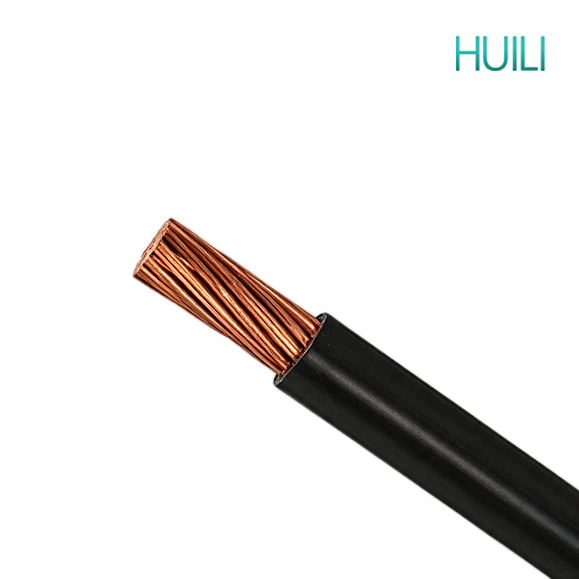
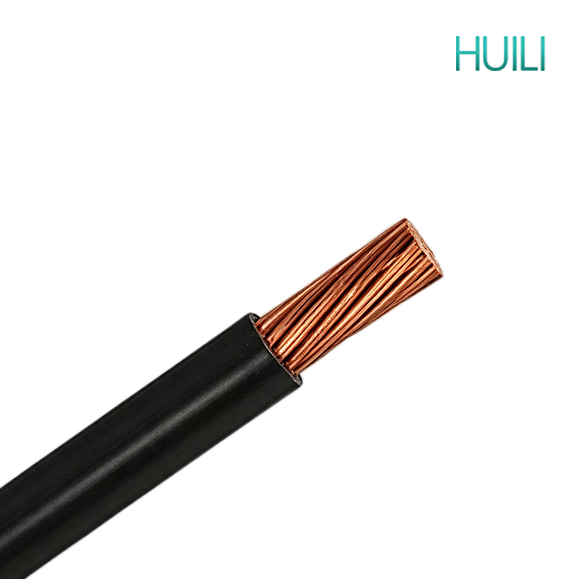
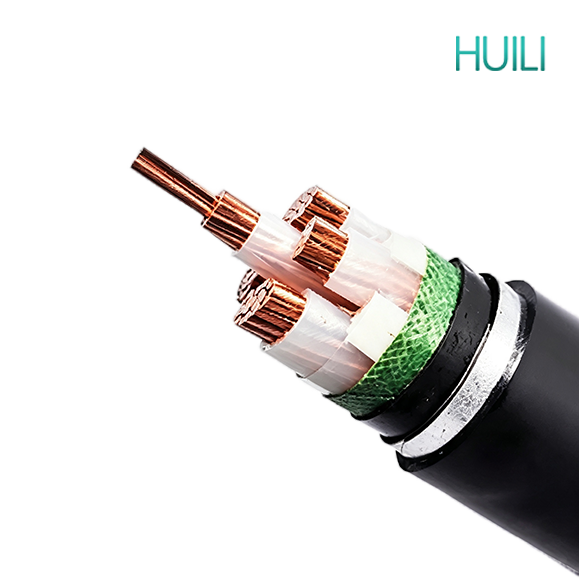
1.Conductor: Stranded or solid copper conductor, offering high conductivity and reliable long-term connection performance across a wide range of gauge sizes.
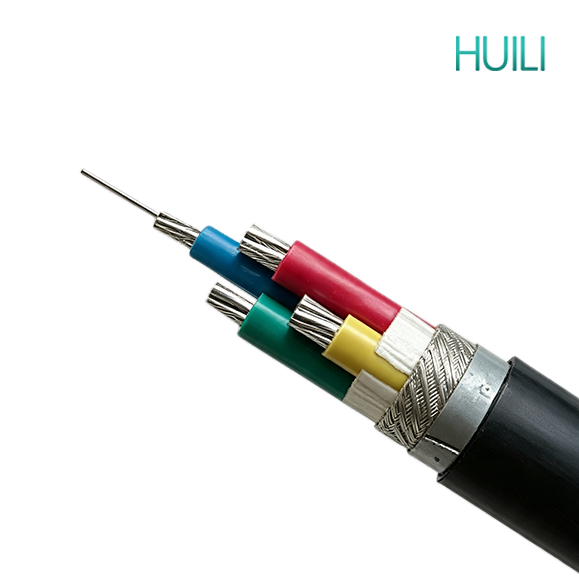
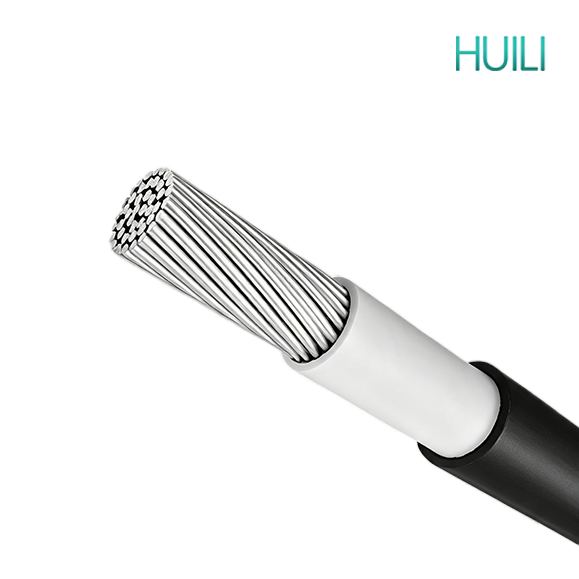
2.Insulation: Cross-linked polyethylene (XLPE) insulation, providing high dielectric strength, strong resistance to moisture absorption, and good mechanical toughness compared to standard PVC-insulated building wire.
3.Dual Rating Design: The insulation compound and construction are engineered to meet both XHHW (dry/damp location) and XHHW-2 (enhanced wet location) requirements, allowing the wire to be specified for a broad range of installation environments without switching products.
4.Insulation Thickness: XLPE insulation is applied at a thickness suited to the conductor size and voltage class, balancing dielectric performance with a compact overall wire diameter for conduit fill purposes.
II. Temperature and Voltage Rating
1.Dry Location Rating: Under the XHHW designation, the wire is rated for continuous operation at 90°C in dry locations, allowing higher ampacity than 60°C or 75°C rated conductors of the same size.
2.Wet Location Rating: The XHHW-2 designation extends this same 90°C continuous rating to wet locations, unlike standard XHHW, which is typically limited to 75°C when used in wet conditions — this makes XHHW-2 the preferred choice where consistent high-temperature performance is needed regardless of moisture exposure.
3.Voltage Rating: Rated at 600V, suitable for general building wiring, feeders, and branch circuits in residential, commercial, and industrial installations.
III. Conduit and Raceway Application
1.Primary Use Case: Designed for installation within conduit, raceway, or cable tray systems, providing the conductor with external mechanical protection while relying on the XLPE insulation for electrical performance.
2.Moisture Stability: Because XLPE resists water absorption more effectively than PVC, XHHW-2 in particular maintains stable insulation resistance in conduit runs exposed to condensation, underground ducts, or other damp conditions.
3.Common Applications: Frequently used for feeder and branch circuit wiring in commercial and industrial buildings, service entrance conductors, and applications where consistent 90°C performance in both wet and dry conditions is required.
IV. Chemical and Environmental Resistance
1.Moisture Resistance: The cross-linked structure of XLPE insulation provides strong resistance to water absorption and hydrolysis, helping maintain long-term insulation resistance in humid or wet installation environments.
2.Heat Resistance: The cross-linked molecular structure of XLPE gives the insulation strong resistance to thermal deformation, allowing the conductor to safely handle sustained high-temperature operation without softening or insulation flow.
3.Chemical Resistance: XLPE insulation offers good resistance to a range of common chemicals and solvents encountered in industrial and commercial wiring environments, adding to the wire's overall durability.
V. Mechanical and Handling Characteristics
1.Flexibility: Stranded conductor versions provide good flexibility for routing through conduit bends and panel connections, while solid conductor versions are typically used for smaller gauge branch circuit applications.
2.Compact Sizing: XLPE insulation allows for a relatively thin, tough insulation layer, keeping overall wire diameter manageable when calculating conduit fill for multiple conductors.
3.Standard Compliance: Manufactured and tested to UL 44 standards, along with compliance to NEC requirements, ensuring the wire meets recognized safety and performance benchmarks for use in the United States.
VI. Available Configurations
1.Conductor Form: Solid or stranded copper conductor, depending on gauge and installation method.
2.Conductor Sizing: Available across a wide range of AWG and kcmil sizes, from small branch circuit conductors to larger feeder and service entrance sizes.
3.Application Fit: XHHW-2 in particular is well suited to projects requiring a single conductor type capable of delivering consistent 90°C performance across both dry and wet installation conditions.