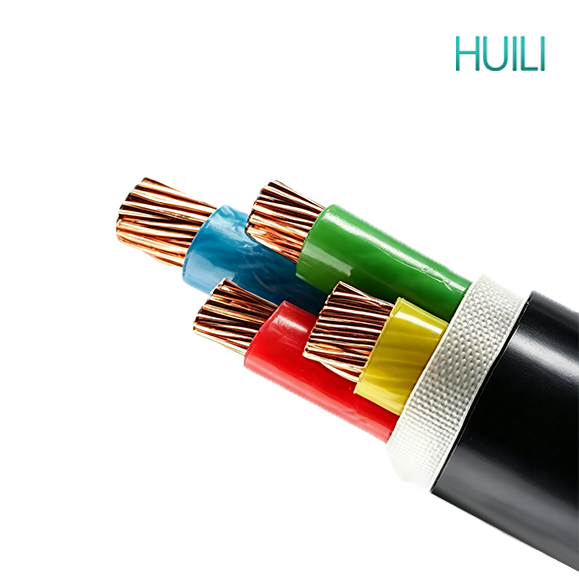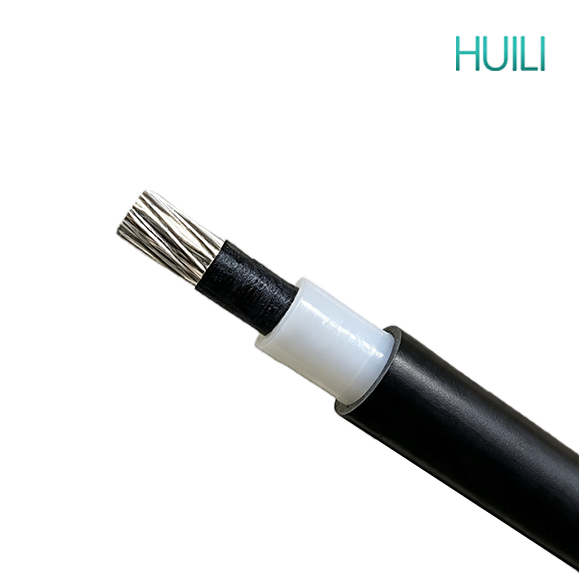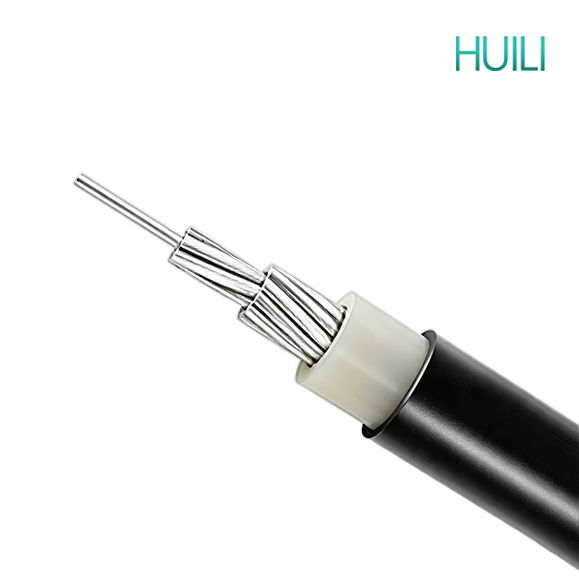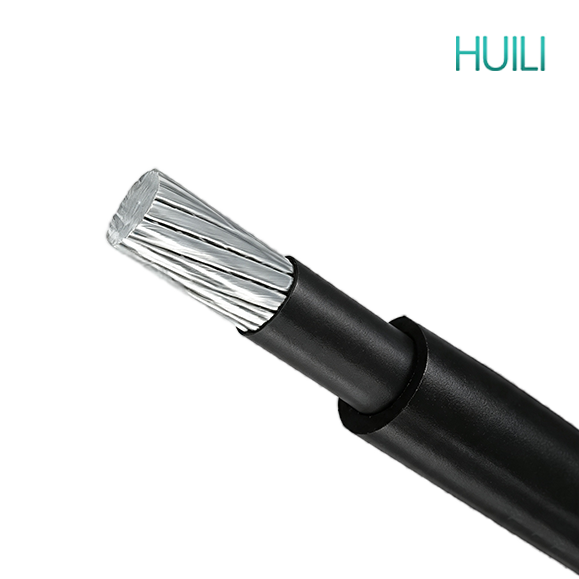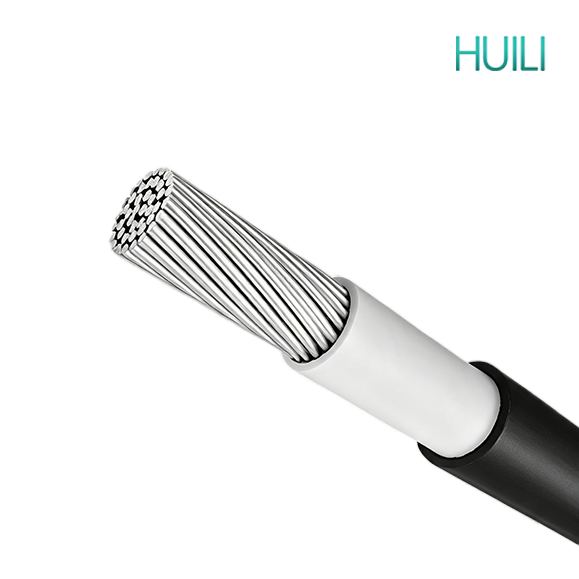
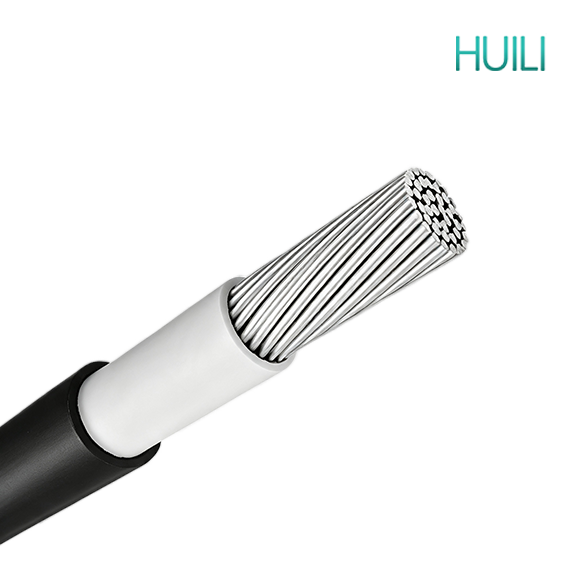
NAYY-AL/PVC/PVC Cable 0.6/1kV
The cable has good electrical and mechanical properties. Resistance to abrasion, moisture and sunlight. The long-time permissible working temperature of cable conductive core is not more than 70℃.
Home > Products > LV Power Cables
The cable has good electrical and mechanical properties. Resistance to abrasion, moisture and sunlight. The long-time permissible working temperature of cable conductive core is not more than 70℃.
The cable is used for low voltage distribution power networks, electricity supply in low voltage installation systems, in buildings and operation stations main power supply. They are well adapted to underground use in industrial applications with an additional mechanical protection. These cables can be fixed on cable trays, within conduits or fixed to walls.
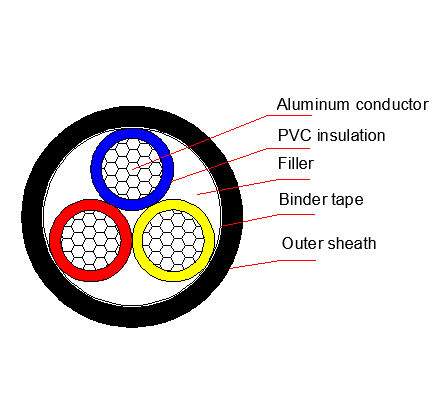
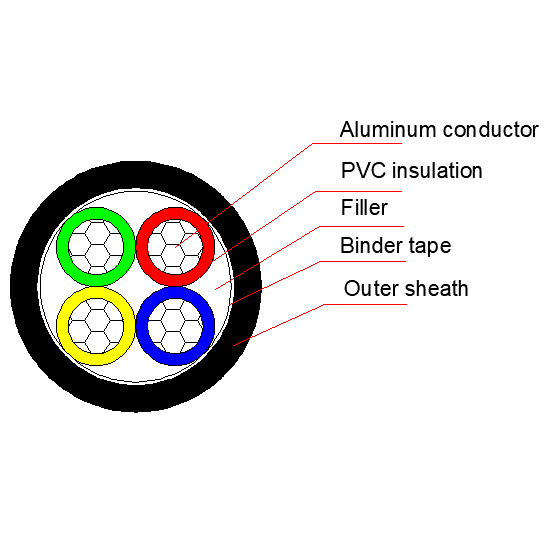
● Conductor: Aluminum, class 1 or class 2, solid or stranded, circular or circular compacted conductors
● Insulation: Polyvinyl chloride (PVC)/LSZH/ZR-PVC
● Outer sheath: Polyvinyl chloride (PVC)/LSZH/ZR-PVC
I. Structural Basics
Conductor: Aluminum stranded wire/solid aluminum; insulation and sheath structure: same as copper core cable: Aluminum conductor + cross-linked PE (YJLV) or PVC (VLV) insulation + inner lining + armor (optional SWA/AWA) + outer sheath. Voltage rating: Mainstream low-voltage distribution 0.6/1kV
II. Electrical Characteristics
1. Lower conductivity than copper: Aluminum resistivity is approximately 1.6 times that of copper. Under the same current carrying capacity, the aluminum core cross-section needs to be 1-2 sizes larger than the copper core. Higher resistance results in greater voltage drop in the line. Long-distance power distribution is prone to low voltage at the end, requiring larger cross-sections for long-distance lines.
2. Higher heat generation: Under the same current, the aluminum core temperature rises higher than the copper core. Degradation is necessary for cable trays and conduits with poor heat dissipation.
3. Lighter weight, slightly better skin effect than copper, with a more significant advantage for larger cross-sections. III. Mechanical and Mechanical Properties
Advantages
1. Significantly lighter than copper cables of the same cross-section, resulting in lower loads during handling and cable tray installation.
IV. Corrosion and Chemical Properties
1. A dense alumina film forms rapidly on the aluminum surface, providing insulation and preventing conductivity.
2. Direct contact with copper is strictly prohibited. Direct contact between copper and aluminum leads to electrochemical corrosion, which is accelerated in humid environments. A copper-aluminum transition piece is necessary.
3. Resistant to general air and dry soil; corrosion is faster in strong acid and alkali environments.
V. Temperature and Current Carrying Characteristics
1. YJLV (Cross-linked Aluminum Core): Long-term operating temperature 90℃, short-circuit short-term temperature 250℃;
2. VLV (PVC Aluminum Core): Long-term temperature 70℃.
VI. Cost and Economic Characteristics
1. Low cost: Aluminum raw material prices are much lower than copper, significantly reducing procurement costs for long-distance factory and municipal power grids.
| No.of Cores and Nominal Cross Section |
Approx.Conductor Diameter | Nominal Insulation Thickness |
Nominal Sheath Thickness |
Approx.Overall Diameter |
Approx.Weight of Cable | ||
| Phase | Earth | Phase | Earth | ||||
| No. ×mm² | mm | mm | mm | mm | mm | mm | kg/km |
| 1×2.5 | 1.78 | / | 0.8 | / | 1.4 | 6.2 | 46 |
| 1×4 | 2.25 | / | 1.0 | / | 1.4 | 7.1 | 61 |
| 1×6 | 2.76 | / | 1.0 | / | 1.4 | 7.6 | 73 |
| 1×10 | 4.0 | / | 1.0 | / | 1.4 | 8.9 | 93 |
| 1×16 | 4.8 | / | 1.0 | / | 1.4 | 9.9 | 120 |
| 1×25 | 6.0 | / | 1.2 | / | 1.4 | 11.1 | 167 |
| 1×35 | 7.0 | / | 1.2 | / | 1.4 | 12.1 | 205 |
| 1×50 | 8.3 | / | 1.4 | / | 1.4 | 13.7 | 263 |
| 1×70 | 9.8 | / | 1.4 | / | 1.4 | 15.3 | 340 |
| 1×95 | 11.7 | / | 1.6 | / | 1.5 | 17.6 | 456 |
| 1×120 | 13.1 | / | 1.6 | / | 1.5 | 19.1 | 537 |
| 1×150 | 14.6 | / | 1.8 | / | 1.6 | 21.0 | 660 |
| 1×185 | 16.2 | / | 2.0 | / | 1.7 | 23.1 | 814 |
| 1×240 | 18.5 | / | 2.2 | / | 1.8 | 26.1 | 1043 |
| 1×300 | 20.7 | / | 2.4 | / | 1.9 | 28.8 | 1284 |
| 1×400 | 23.5 | / | 2.6 | / | 2.0 | 32.2 | 1612 |
| 1×500 | 26.4 | / | 2.8 | / | 2.1 | 35.9 | 2007 |
| 1×630 | 30.1 | / | 2.8 | / | 2.2 | 40.0 | 2488 |
| 1×800 | 34.1 | / | 2.8 | / | 2.3 | 44.2 | 3044 |
| No.of Cores and Nominal Cross Section |
Approx.Conductor Diameter | Nominal Insulation Thickness |
Nominal Sheath Thickness |
Approx.Overall Diameter |
Approx.Weight of Cable | ||
| Phase | Earth | Phase | Earth | ||||
| No. ×mm² | mm | mm | mm | mm | mm | mm | kg/km |
| 2×2.5 | 1.78 | / | 0.8 | / | 1.8 | 10.6 | 116 |
| 2×4 | 2.25 | / | 1.0 | / | 1.8 | 12.4 | 156 |
| 2×6 | 2.76 | / | 1.0 | / | 1.8 | 13.4 | 186 |
| 2×10 | 4.0 | / | 1.0 | / | 1.8 | 15.9 | 240 |
| 2×16 | 4.8 | / | 1.0 | / | 1.8 | 17.5 | 310 |
| 2×25 | 6.0 | / | 1.2 | / | 1.8 | 20.7 | 433 |
| 2×35 | 7.0 | / | 1.2 | / | 1.8 | 22.7 | 529 |
| 2×50 | 8.3 | / | 1.4 | / | 1.8 | 20.3 | 657 |
| 2×70 | 9.8 | / | 1.4 | / | 1.9 | 23.1 | 834 |
| 2×95 | 11.7 | / | 1.6 | / | 2.0 | 26.0 | 1157 |
| 2×120 | 13.1 | / | 1.6 | / | 2.1 | 28.2 | 1369 |
| 2×150 | 14.6 | / | 1.8 | / | 2.2 | 31.5 | 1682 |
| 2×185 | 16.2 | / | 2.0 | / | 2.4 | 34.8 | 2078 |
| 2×240 | 18.5 | / | 2.2 | / | 2.6 | 40.8 | 2435 |
| 2×300 | 20.7 | / | 2.4 | / | 2.7 | 45.0 | 2934 |
| 2×400 | 23.5 | / | 2.6 | / | 3.0 | 50.2 | 3871 |
| No.of Cores and Nominal Cross Section |
Approx.Conductor Diameter | Nominal Insulation Thickness |
Nominal Sheath Thickness |
Approx.Overall Diameter |
Approx.Weight of Cable | ||
| Phase | Earth | Phase | Earth | ||||
| No. ×mm² | mm | mm | mm | mm | mm | mm | kg/km |
| 3×2.5 | 1.78 | / | 0.8 | / | 1.8 | 11.4 | 130 |
| 3×4 | 2.25 | / | 1.0 | / | 1.8 | 13.2 | 177 |
| 3×6 | 2.76 | / | 1.0 | / | 1.8 | 14.3 | 211 |
| 3×10 | 4.0 | / | 1.0 | / | 1.8 | 17.1 | 292 |
| 3×16 | 4.8 | / | 1.0 | / | 1.8 | 18.8 | 380 |
| 3×25 | 6.0 | / | 1.2 | / | 1.8 | 22.2 | 512 |
| 3×35 | 7.0 | / | 1.2 | / | 1.8 | 24.4 | 631 |
| 3×50 | 8.3 | / | 1.4 | / | 1.8 | 28.1 | 824 |
| 3×70 | 9.8 | / | 1.4 | / | 2.0 | 32.0 | 1057 |
| 3×95 | 11.7 | / | 1.6 | / | 2.1 | 37.0 | 1411 |
| 3×120 | 13.1 | / | 1.6 | / | 2.2 | 40.2 | 1703 |
| 3×150 | 14.6 | / | 1.8 | / | 2.3 | 44.5 | 2106 |
| 3×185 | 16.2 | / | 2.0 | / | 2.5 | 49.2 | 2590 |
| 3×240 | 18.5 | / | 2.2 | / | 2.7 | 55.4 | 3277 |
| 3×300 | 20.7 | / | 2.4 | / | 2.9 | 61.5 | 3961 |
| 3×400 | 23.5 | / | 2.6 | / | 3.1 | 68.8 | 5047 |
| No.of Cores and Nominal Cross Section |
Approx.Conductor Diameter | Nominal Insulation Thickness |
Nominal Sheath Thickness |
Approx.Overall Diameter |
Approx.Weight of Cable | ||
| Phase | Earth | Phase | Earth | ||||
| No. ×mm² | mm | mm | mm | mm | mm | mm | kg/km |
| 4×2.5 | 1.78 | / | 0.8 | / | 1.8 | 12.2 | 168 |
| 4×4 | 2.25 | / | 1.0 | / | 1.8 | 14.3 | 224 |
| 4×6 | 2.76 | / | 1.0 | / | 1.8 | 15.6 | 287 |
| 4×10 | 4.0 | / | 1.0 | / | 1.8 | 18.6 | 379 |
| 4×16 | 4.8 | / | 1.0 | / | 1.8 | 20.6 | 496 |
| 4×25 | 6.0 | / | 1.2 | / | 1.8 | 24.4 | 655 |
| 4×35 | 7.0 | / | 1.2 | / | 1.8 | 26.8 | 811 |
| 4×50 | 8.3 | / | 1.4 | / | 1.9 | 31.5 | 1013 |
| 4×70 | 9.8 | / | 1.4 | / | 2.1 | 35.5 | 1341 |
| 4×95 | 11.7 | / | 1.6 | / | 2.2 | 41.0 | 1794 |
| 4×120 | 13.1 | / | 1.6 | / | 2.3 | 44.6 | 2155 |
| 4×150 | 14.6 | / | 1.8 | / | 2.5 | 49.6 | 2687 |
| 4×185 | 16.2 | / | 2.0 | / | 2.7 | 54.8 | 3310 |
| 4×240 | 18.5 | / | 2.2 | / | 2.9 | 61.8 | 4235 |
| 4×300 | 20.7 | / | 2.4 | / | 3.1 | 68.5 | 5233 |
| 4×400 | 23.5 | / | 2.6 | / | 3.4 | 76.8 | 6641 |
| No.of Cores and Nominal Cross Section |
Approx.Conductor Diameter | Nominal Insulation Thickness |
Nominal Sheath Thickness |
Approx.Overall Diameter |
Approx.Weight of Cable | ||
| Phase | Earth | Phase | Earth | ||||
| No. ×mm² | mm | mm | mm | mm | mm | mm | kg/km |
| 5×2.5 | 1.78 | / | 0.8 | / | 1.8 | 13.2 | 186 |
| 5×4 | 2.25 | / | 1.0 | / | 1.8 | 15.5 | 261 |
| 5×6 | 2.76 | / | 1.0 | / | 1.8 | 16.9 | 319 |
| 5×10 | 4.0 | / | 1.0 | / | 1.8 | 20.3 | 432 |
| 5×16 | 4.8 | / | 1.0 | / | 1.8 | 22.5 | 574 |
| 5×25 | 6.0 | / | 1.2 | / | 1.8 | 26.8 | 812 |
| 5×35 | 7.0 | / | 1.2 | / | 1.9 | 30.0 | 1031 |
| 5×50 | 8.3 | / | 1.4 | / | 2.0 | 34.8 | 1356 |
| 5×70 | 9.8 | / | 1.4 | / | 2.2 | 39.2 | 1776 |
| 5×95 | 11.7 | / | 1.6 | / | 2.4 | 45.6 | 2403 |
| 5×120 | 13.1 | / | 1.6 | / | 2.5 | 49.5 | 2858 |
| 5×150 | 14.6 | / | 1.8 | / | 2.7 | 55.1 | 3534 |
| 5×185 | 16.2 | / | 2.0 | / | 2.9 | 60.9 | 4257 |
| 5×240 | 18.5 | / | 2.2 | / | 3.1 | 68.6 | 5611 |
| 5×300 | 20.7 | / | 2.4 | / | 3.3 | 76.0 | 6875 |
| 5×400 | 23.5 | / | 2.6 | / | 3.7 | 85.4 | 8780 |
| No.of Cores and Nominal Cross Section |
Approx.Conductor Diameter | Nominal Insulation Thickness |
Nominal Sheath Thickness |
Approx.Overall Diameter |
Approx.Weight of Cable | ||
| Phase | Earth | Phase | Earth | ||||
| No. ×mm² | mm | mm | mm | mm | mm | mm | kg/km |
| 3×4+1×2.5 | 2.25 | 1.78 | 1.0 | 0.8 | 1.8 | 13.6 | 206 |
| 3×6+1×4 | 2.76 | 2.25 | 1.0 | 1.0 | 1.8 | 15.1 | 257 |
| 3×10+1×6 | 4.0 | 2.76 | 1.0 | 1.0 | 1.8 | 17.7 | 333 |
| 3×16+1×10 | 4.8 | 4.0 | 1.0 | 1.0 | 1.8 | 19.9 | 441 |
| 3×25+1×16 | 6.0 | 4.8 | 1.2 | 1.0 | 1.8 | 23.3 | 619 |
| 3×35+1×16 | 7.0 | 4.8 | 1.2 | 1.0 | 1.8 | 25.1 | 738 |
| 3×50+1×25 | 8.3 | 6.0 | 1.4 | 1.2 | 1.9 | 29.6 | 989 |
| 3×70+1×35 | 9.8 | 7.0 | 1.4 | 1.2 | 2.0 | 33.2 | 1281 |
| 3×95+1×50 | 11.7 | 8.3 | 1.6 | 1.4 | 2.2 | 38.6 | 1728 |
| 3×120+1×70 | 13.1 | 9.8 | 1.6 | 1.4 | 2.3 | 42.2 | 2093 |
| 3×150+1×70 | 14.6 | 9.8 | 1.8 | 1.4 | 2.4 | 45.9 | 2484 |
| 3×185+1×95 | 16.2 | 11.7 | 2.0 | 1.6 | 2.6 | 51.2 | 3119 |
| 3×240+1×120 | 18.5 | 13.1 | 2.2 | 1.6 | 2.8 | 57.4 | 3962 |
| 3×300+1×150 | 20.7 | 14.6 | 2.4 | 1.8 | 3.0 | 63.7 | 4679 |
| 3×400+1×185 | 23.5 | 16.2 | 2.6 | 2.0 | 3.2 | 71.1 | 5786 |
| 3×4+2×2.5 | 2.25 | 1.78 | 1.0 | 0.8 | 1.8 | 14.4 | 230 |
| 3×6+2×4 | 2.76 | 2.25 | 1.0 | 1.0 | 1.8 | 16.1 | 295 |
| 3×10+2×6 | 4.0 | 2.76 | 1.0 | 1.0 | 1.8 | 18.7 | 381 |
| 3×16+2×10 | 4.8 | 4.0 | 1.0 | 1.0 | 1.8 | 21.4 | 507 |
| 3×25+2×16 | 6.0 | 4.8 | 1.2 | 1.0 | 1.8 | 24.9 | 710 |
| 3×35+2×16 | 7.0 | 4.8 | 1.2 | 1.0 | 1.8 | 26.5 | 825 |
| 3×50+2×25 | 8.3 | 6.0 | 1.4 | 1.2 | 1.9 | 31.5 | 1132 |
| 3×70+2×35 | 9.8 | 7.0 | 1.4 | 1.2 | 2.1 | 35.4 | 1464 |
| 3×95+2×50 | 11.7 | 8.3 | 1.6 | 1.4 | 2.2 | 41.0 | 1952 |
| 3×120+2×70 | 13.1 | 9.8 | 1.6 | 1.4 | 2.4 | 45.3 | 2419 |
| 3×150+2×70 | 14.6 | 9.8 | 1.8 | 1.4 | 2.5 | 48.5 | 2803 |
| 3×185+2×95 | 16.2 | 11.7 | 2.0 | 1.6 | 2.7 | 54.5 | 3556 |
| 3×240+2×120 | 18.5 | 13.1 | 2.2 | 1.6 | 2.9 | 60.8 | 4479 |
| 3×300+2×150 | 20.7 | 14.6 | 2.4 | 1.8 | 3.1 | 67.5 | 5327 |
| 3×400+2×185 | 23.5 | 16.2 | 2.6 | 2.0 | 3.3 | 75.2 | 6873 |
| 4×4+1×2.5 | 2.25 | 1.78 | 1.0 | 0.8 | 1.8 | 14.9 | 245 |
| 4×6+1×4 | 2.76 | 2.25 | 1.0 | 1.0 | 1.8 | 16.4 | 307 |
| 4×10+1×6 | 4.0 | 2.76 | 1.0 | 1.0 | 1.8 | 19.4 | 403 |
| 4×16+1×10 | 4.8 | 4.0 | 1.0 | 1.0 | 1.8 | 21.8 | 535 |
| 4×25+1×16 | 6.0 | 4.8 | 1.2 | 1.0 | 1.8 | 25.7 | 760 |
| 4×35+1×16 | 7.0 | 4.8 | 1.2 | 1.0 | 1.8 | 27.9 | 917 |
| 4×50+1×25 | 8.3 | 6.0 | 1.4 | 1.2 | 2.0 | 33.1 | 1250 |
| 4×70+1×35 | 9.8 | 7.0 | 1.4 | 1.2 | 2.1 | 37.1 | 1611 |
| 4×95+1×50 | 11.7 | 8.3 | 1.6 | 1.4 | 2.3 | 43.2 | 2175 |
| 4×120+1×70 | 13.1 | 9.8 | 1.6 | 1.4 | 2.4 | 47.2 | 2626 |
| 4×150+1×70 | 14.6 | 9.8 | 1.8 | 1.4 | 2.6 | 51.7 | 3164 |
| 4×185+1×95 | 16.2 | 11.7 | 2.0 | 1.6 | 2.8 | 57.6 | 3957 |
| 4×240+1×120 | 18.5 | 13.1 | 2.2 | 1.6 | 3.0 | 64.6 | 4987 |
| 4×300+1×150 | 20.7 | 14.6 | 2.4 | 1.8 | 3.2 | 71.6 | 6221 |
| 4×400+1×185 | 23.5 | 16.2 | 2.6 | 2.0 | 3.5 | 80.2 | 7789 |
Huili Cable Co., Ltd. (formerly Luohe Huili Cable Co., Ltd. and Luohe Cable Factory) was founded in 1989 and was renamed Huili Cable Co., Ltd. on September 14, 2024. The company's registered capital is RMB 200 million.