CHARACTERISTICS
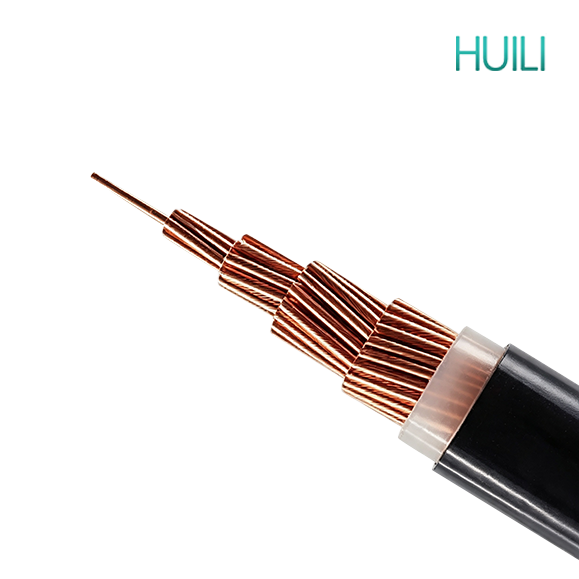
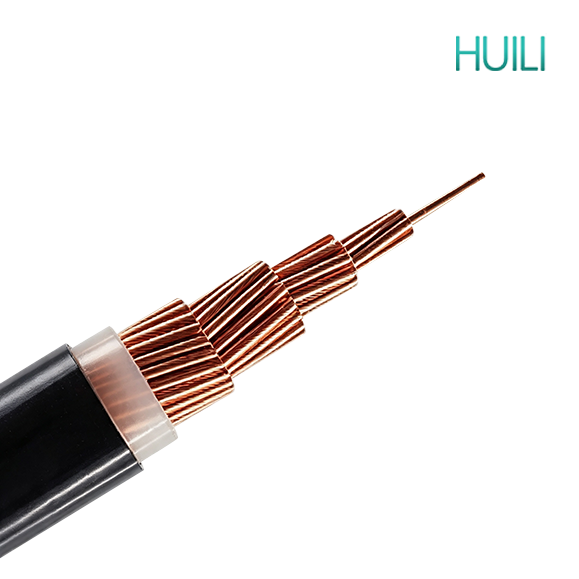
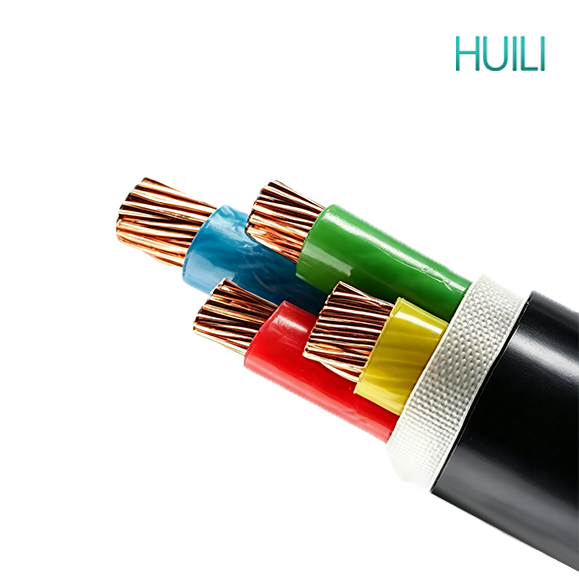
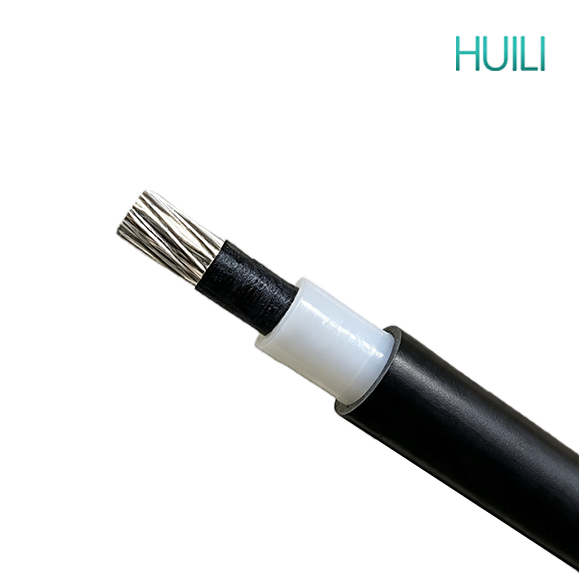
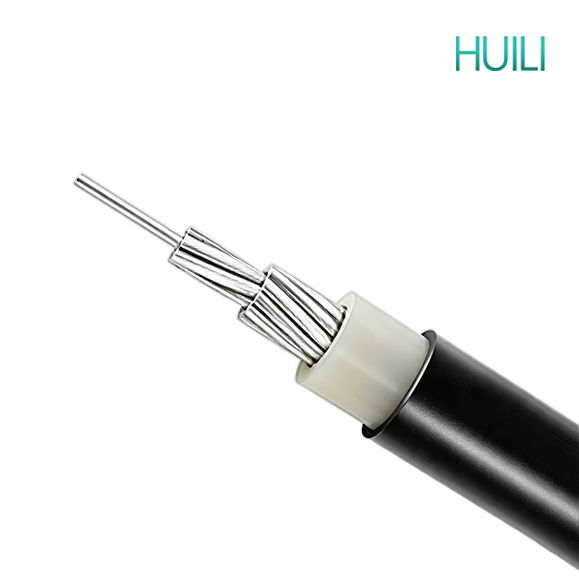
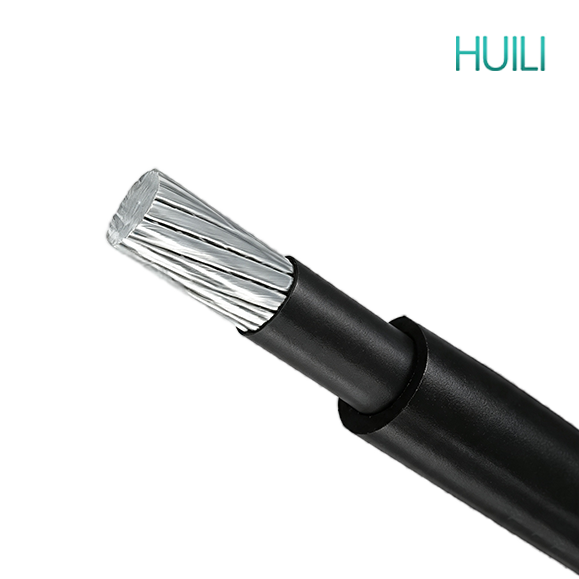
I. Structural Characteristics (Core Difference from Armored Cables) Cross-section of Unarmored Cables
1. No Armor Layer: Extremely simple structure, from inside to outside: conductor → insulation layer → filler layer (multi-core) → outer sheath, lacking the steel tape/wire armor layer.
2. Conductor: Copper/aluminum stranded conductor, mainly 1.5~1000mm², Class 2 soft conductor, smooth bending.
3. Two Main Insulation Types:
1. XLPE (YJV): Cross-linked polyethylene, temperature resistance 90℃;
2. PVC (VV): Polyvinyl chloride, temperature resistance 70℃.
4. Outer Sheath: Single layer PVC/PE/LSZH low smoke halogen-free, only basic wear resistance and moisture protection, no metal pressure and impact resistance structure.
5. Smaller Outer Diameter and Lighter Weight: Approximately 30% thinner and lighter than armored cables of the same specification, requiring less space for wiring.
II. Electrical Performance Characteristics
1. Rated Voltage: Standard 0.6/1kV, suitable for 380/220V low-voltage power distribution systems.
2. Stable Insulation: Withstands 3.5kV/5min at power frequency without breakdown; high insulation resistance; no risk of partial discharge (no shielding layer required for low voltage).
3. Current Carrying Capacity Advantage (XLPE Type)
1. Long-term operating temperature 90℃; higher current carrying capacity than PVC cables of the same cross-section.
2. Withstands up to 250℃ within 5 seconds of short circuit; strong short-term overload capacity.
4. Low Loss: Excellent conductivity of copper conductors; low voltage drop; suitable for long-distance power distribution within buildings.
III. Mechanical and Physical Characteristics
1. Excellent Flexibility
1. Minimum bending radius for multi-core unarmored cables: 12-15 times the cable outer diameter; armored cables require more than 20 times, making wiring in narrow cable trays and conduits more convenient.
2. Lightweight and easy to install: Easier handling, conduit installation, and cable tray laying, resulting in lower labor costs.
3. No metal eddy current loss: Single-core laying eliminates the heating problem caused by the steel strip, saving energy.
4. Simple cutting and splicing: No need to strip the armor metal strip, reducing wiring steps.
IV. Economic and Laying Characteristics
1. Lower cost: Eliminating metal armor material reduces the purchase price by 15%–30% compared to armored cables of the same specifications.
2. Simple structure and low cost;
3. Lightweight and good bending performance, convenient for wiring in confined spaces;
4. Flame-retardant, low-smoke halogen-free environmentally friendly models are available.