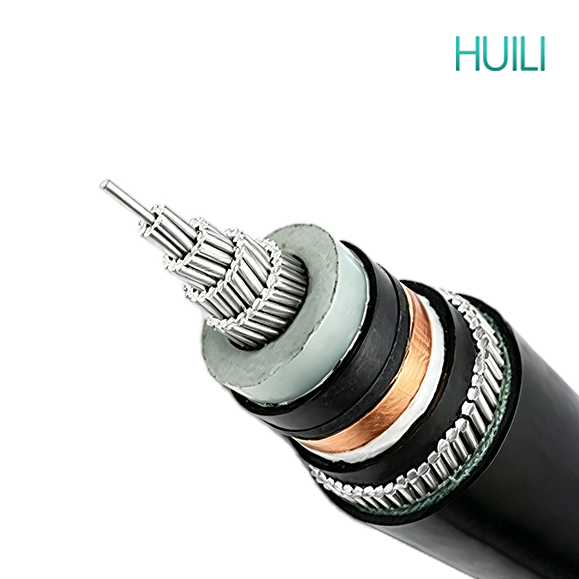
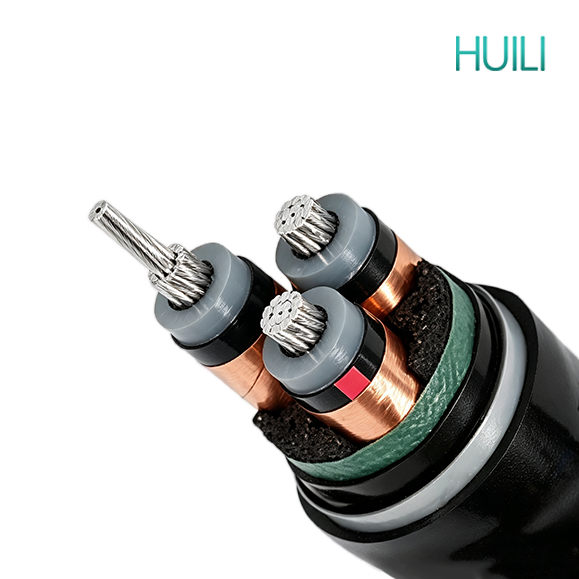
CHARACTERISTICS
I. Conductor and Insulation System
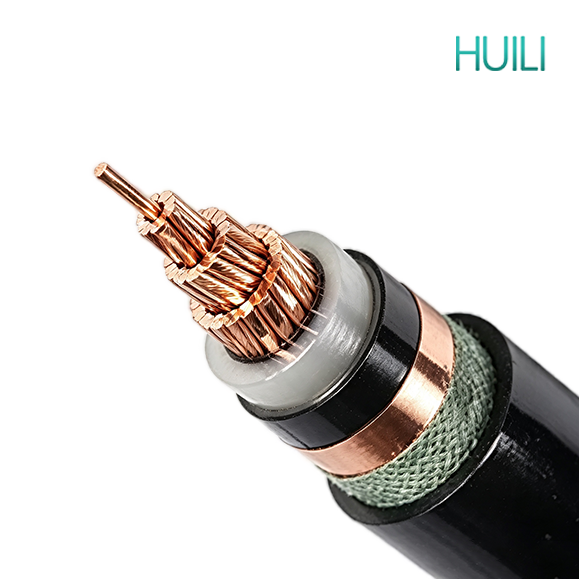
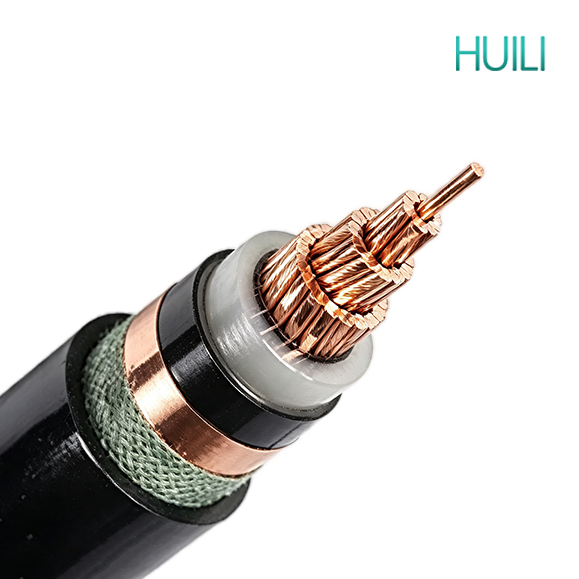
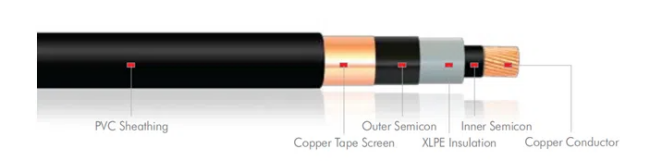
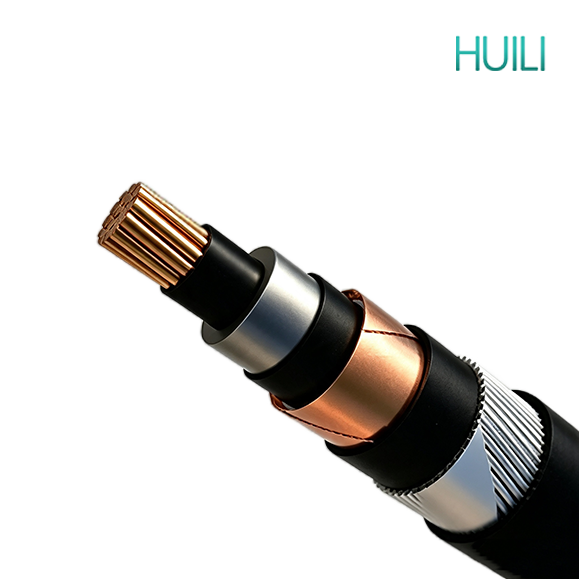
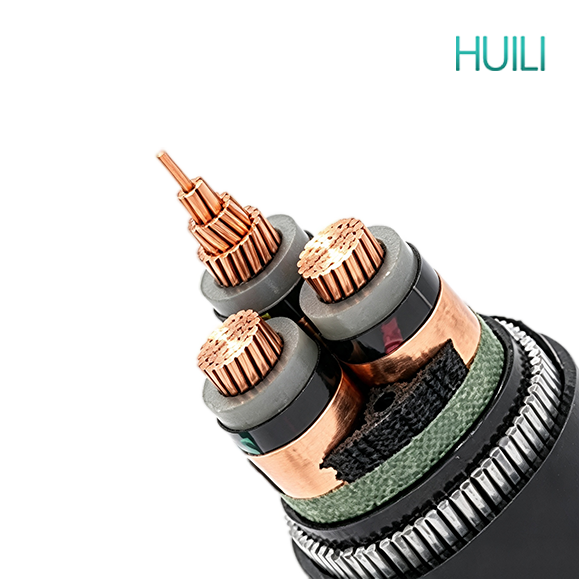
1.Conductor: Stranded copper conductor, compacted into a circular or shaped form to minimize air gaps between wires, offering higher conductivity and lower resistive losses than an equivalent aluminum conductor.
2.Conductor Sizing: Cross-sectional area typically ranges from 25mm² to 500mm², allowing smaller conductor sizes to be used for the same current rating compared to aluminum, which can be an advantage in space-constrained duct or conduit runs.
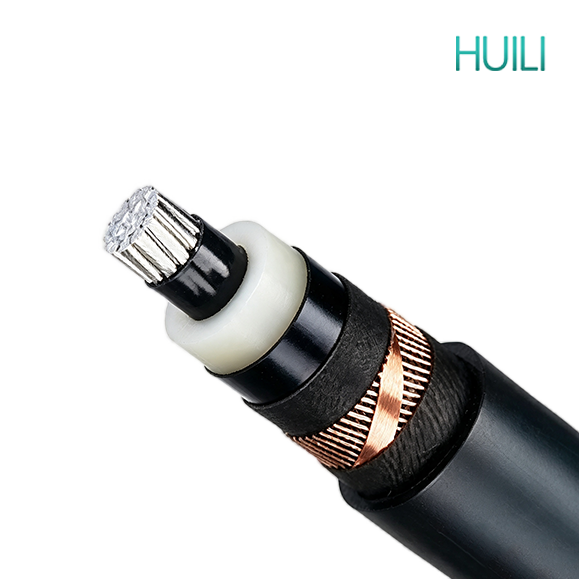
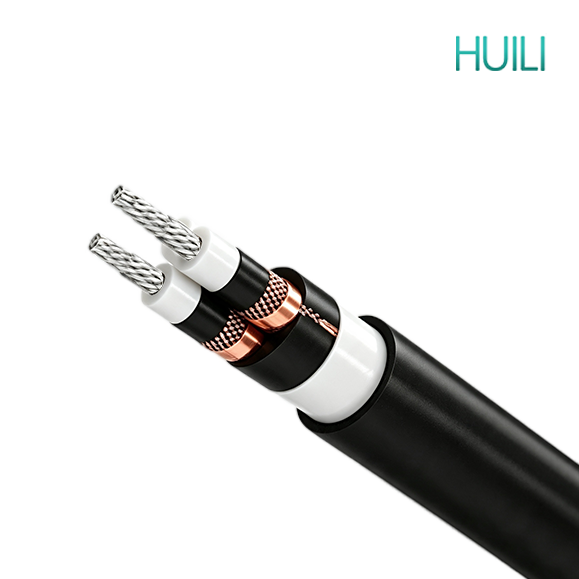
3.Conductor Screen: A semi-conductive compound is extruded directly onto the conductor surface, eliminating any irregularities or air gaps that could otherwise create points of localized electrical stress concentration at the conductor-insulation interface.
4.Main Insulation: Cross-linked polyethylene (XLPE) is applied through a dry-curing process, giving the insulation high dielectric strength, low dielectric loss, and strong resistance to thermal and electrical aging over the cable's service life.
5.Thermal Rating: The conductor is rated for continuous operation at up to 90°C, with a short-circuit temperature tolerance of up to 250°C, allowing the cable to safely absorb transient overload conditions without permanent damage to the insulation.
II. Screening and Fault Current Path
1.Insulation Screen: A second semi-conductive layer is extruded over the insulation surface, working together with the conductor screen to form a symmetrical, well-bonded interface on both sides of the insulation.
2.Metallic Screen: The metallic screen is applied over the insulation screen, either as copper tape (CTS) helically wound with overlap, or as copper wire (CWS) laid longitudinally around the core and held in place with a binder tape.
3.Electric Field Control: Together, these layers keep the electric field distributed evenly through the thickness of the insulation, which reduces partial discharge activity — a slow but cumulative process that would otherwise accelerate insulation aging and shorten cable life.
4.Fault Protection: The metallic screen also provides a clearly defined, low-impedance path for earth fault current, which helps protection relays and switchgear detect and clear faults quickly, limiting damage to the cable and surrounding installation.
III. Lightweight, Unarmored Construction
1.No Armor Layer: Without a steel or aluminum armor layer, this cable is significantly lighter and more flexible than an equivalent armored construction, which reduces overall transport weight and simplifies handling on site.
2.Ideal Use Case: Best suited to installations where mechanical protection is already provided externally — such as cable ducts, trays, conduits, risers, and indoor switchgear rooms — rather than direct burial in open ground.
3.Installation Advantages: The reduced weight and smaller minimum bending radius make the cable easier to pull through tight duct runs and route around obstacles in confined spaces such as substations and equipment rooms.
4.Combined Benefit: Pairing a copper conductor with an unarmored design gives higher current capacity in a lighter, more compact cable, which can be useful where both space and weight are constrained.
IV. Moisture Resistance and Environmental Durability
1.Layered Water Resistance: While XLPE insulation is inherently moisture-resistant on its own, the tightly wound metallic screen combined with the PVC outer sheath adds further barriers that make it harder for water to migrate into the cable core over time.
2.Water Treeing Prevention: This layered protection reduces the risk of water treeing, a slow, moisture-driven degradation process that is one of the leading causes of insulation failure in cables exposed to damp conditions.
3.UV and Weather Resistance: The PVC outer sheath is formulated with UV stabilizers and anti-aging additives, allowing the cable to withstand prolonged exposure in protected outdoor locations, such as duct entries or rooftop equipment runs, without significant cracking or embrittlement.
4.Fire Performance Options: Where local fire codes require it, the outer sheath can be supplied in a flame-retardant (FR) or low-smoke halogen-free (LSZH) formulation, which is commonly specified for installations in tunnels, basements, and other enclosed public spaces.
V. Voltage Range and Service Life
1.Voltage Rating: The cable is available across a wide voltage range, from 3.6/6kV up to 26/35kV, covering the majority of medium voltage distribution networks and industrial power supply requirements.
2.Expected Lifespan: Under normal operating conditions and correct installation practices, cables of this construction are generally expected to provide 30 years or more of reliable service.
3.Maintenance Requirements: The sealed, multi-layer construction means very little maintenance is required once the cable is installed and commissioned, helping to lower total lifecycle costs for the project.
VI. Available Configurations
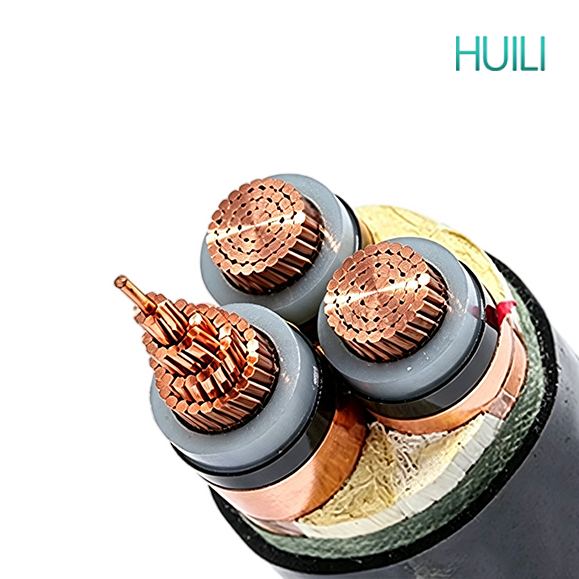
1.Core Configuration: Available in single-core or 3-core versions, depending on the circuit and installation requirements.
2.Screening Options: Choice of copper tape (CTS) or copper wire (CWS) screening, depending on preference and project specification.
3.Application Fit: Particularly well suited to projects where armoring is unnecessary due to protected routing, and where higher current capacity within a lighter, more compact cable is an advantage.