CHARACTERISTICS
I. Structural Features
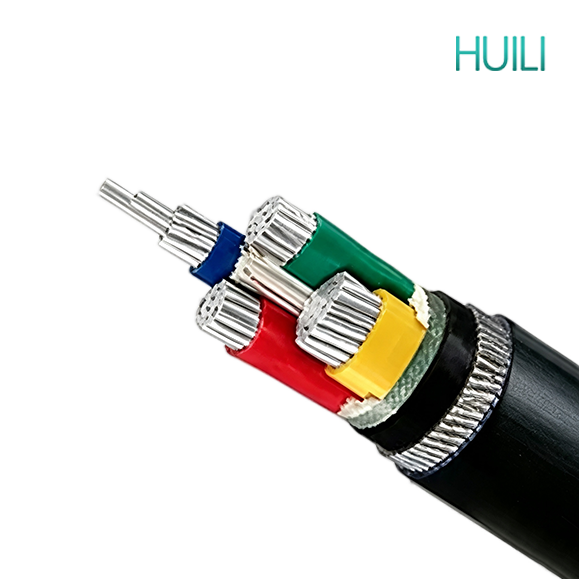
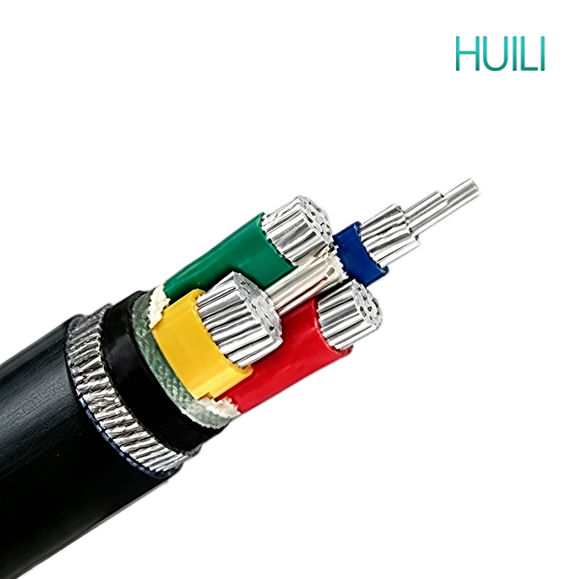
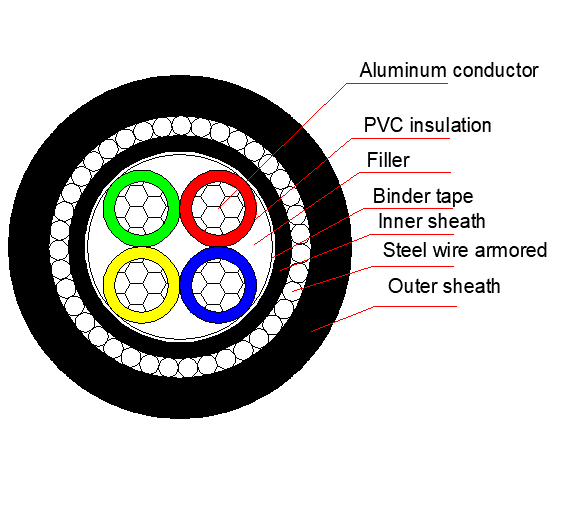
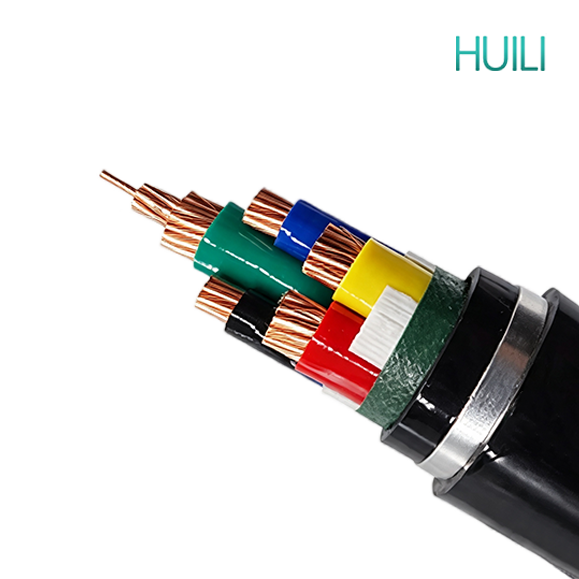
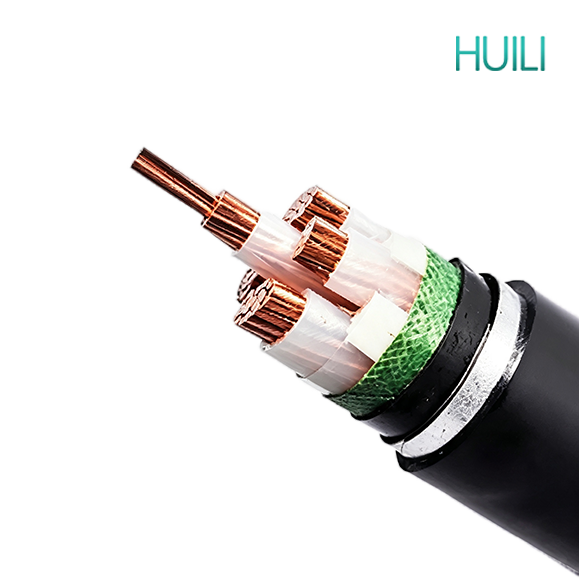
From inside to outside: Conductor → Insulation → Inner Liner Layer → Galvanized Round Steel Wire Armor → Outer Sheath
1. Voltage Rating: Low voltage 0.6/1kV
2. Armor Layer: Multiple thin round steel wires spirally wound, the wires possess tensile strength, unlike flat steel strips; available in single-wire and multi-wire structures.
3. Insulation: Two types: YJV32 cross-linked polyethylene (long-term 90℃), VV32 polyvinyl chloride (long-term 70℃)
II. Core Characteristics of Mechanical Protection
Advantages
1. Superior Longitudinal Tensile Strength (Core Advantage): The steel wire bundle can withstand enormous traction force, suitable for vertical laying in shafts, long drops, underwater, overhead traction, and tunnel slopes with large drops; the cable is less likely to break during construction traction.
2. Certain Resistance to Compression and Impact: The steel wire winding layer can resist stone impacts, compression, and minor external damage, and also prevents rodent and ant bites. 3. Resistant to torsion and tension, suitable for laying environments with tensile forces.
III. Electrical Characteristics
1. Current carrying capacity, insulation withstand voltage, and are basically the same as unarmored/armored versions of the same model.
2. The metal wire layer can be grounded at both ends, providing basic shielding and fault grounding protection.
3. The ring wire circuit also has eddy current losses, and the temperature rise of long-distance, high-current lines increases slightly.
IV. Environmental Weather Resistance
1. Moisture and Waterproof: The inner lining + outer sheath is sealed, suitable for underwater, damp shafts, and underground water environments.
2. Resistant to general soil acids and alkalis, and oil stains; galvanized steel wire is rust-proof, and the steel wire rusts faster than steel tape after the outer sheath is damaged.
3. Temperature performance is the same as the insulation material.
V. Laying and Construction Characteristics
1. Applicable Scenarios: Vertical shafts of high-rise buildings, long underground slopes, underwater laying in rivers, cross-sea/cross-river cables, long-distance traction laying, and lines with large elevation differences in mountainous areas.