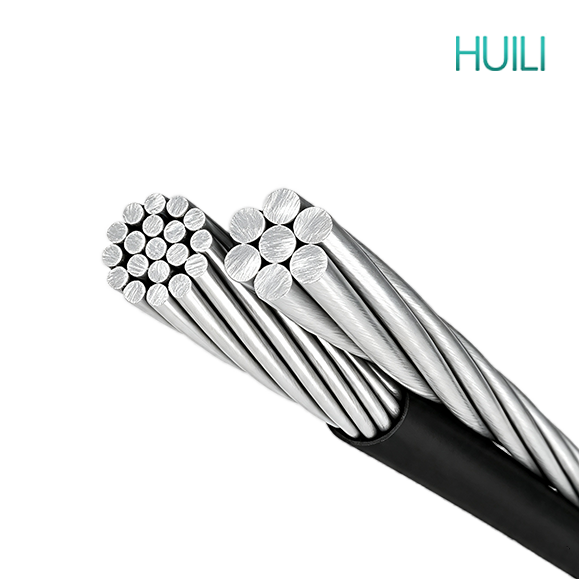
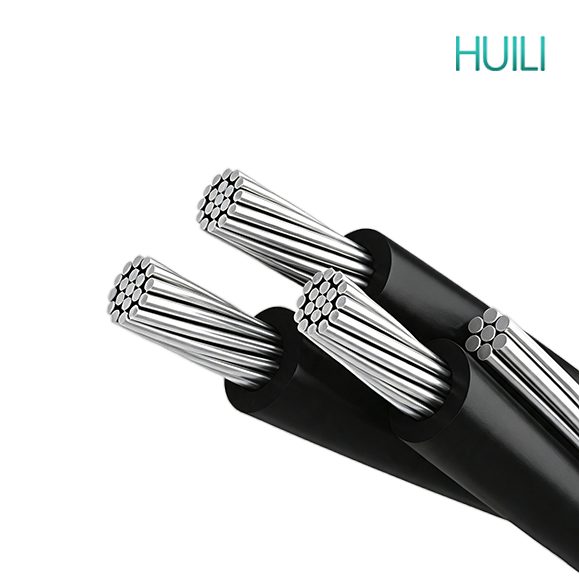
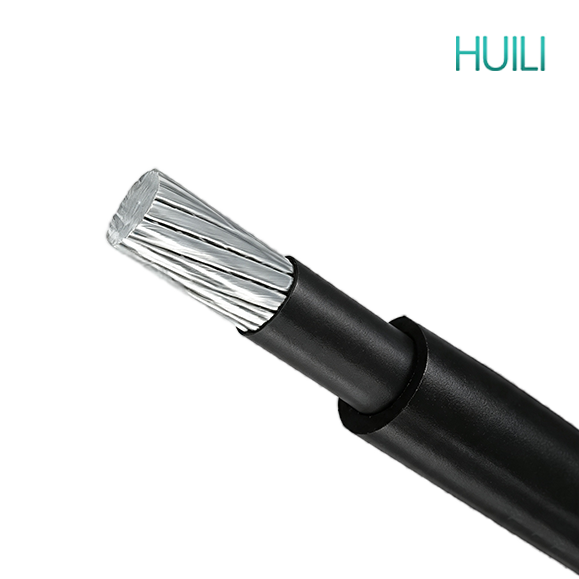
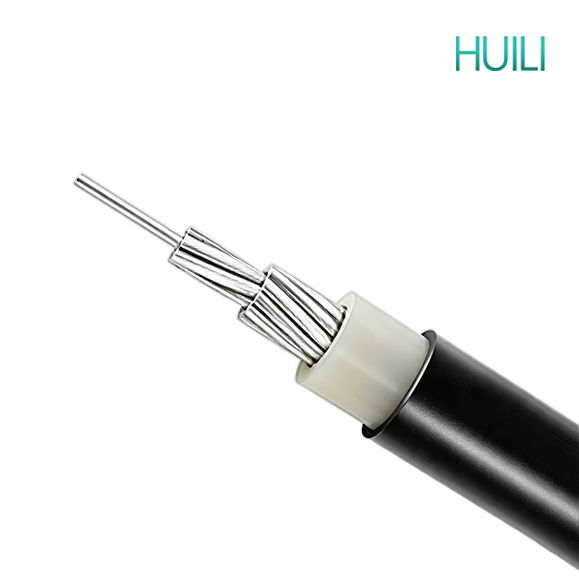
CHARACTERISTICS
Ⅰ. Electrical Properties
The tree wire is engineered with reliable electrical conductivity and stable insulation performance, meeting standard rated voltage requirements with high insulation resistance and dielectric strength to ensure continuous and safe power transmission in overhead power supply circuits.
Ⅱ. Heat Resistance & Thermal Performance
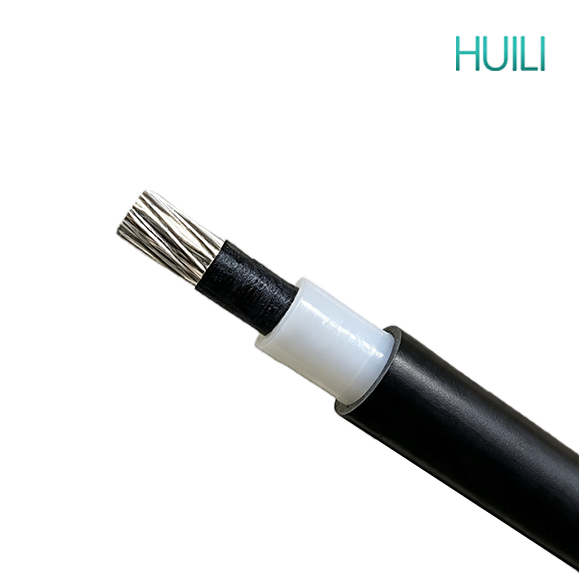
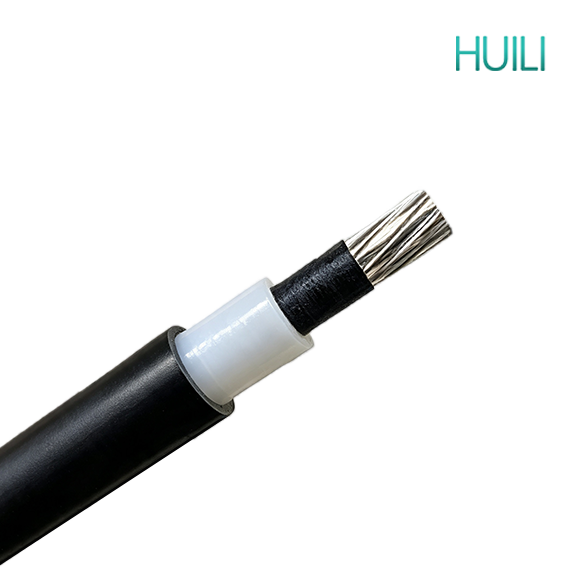
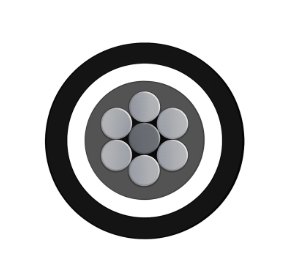
Made of cross-linked polyethylene insulation, the cable boasts superior thermal stability, supporting a high long-term working temperature and avoiding insulation ageing or breakdown caused by heat buildup during sustained power load operation.
Ⅲ. Mechanical Strength
It features robust tensile, compression and impact resistance, with good bending performance to facilitate on-site installation and wiring, and can withstand external mechanical force without easy deformation or core breakage.
Ⅳ. Anti-Abrasion & Anti-Friction Property
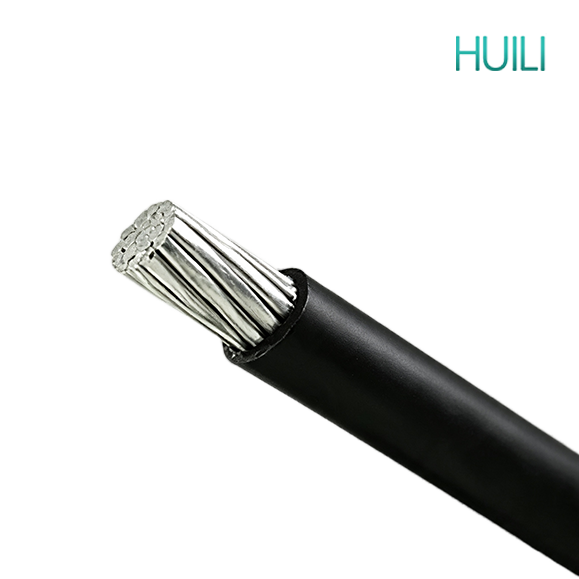
Tailored for overhead laying among trees, the cable surface is highly resistant to scraping and friction from tree branches, effectively preventing outer sheath damage and insulation abrasion from long-term contact with vegetation.
Ⅴ. Weather & Environmental Resistance
The outer sheath provides excellent UV resistance, anti-ageing capacity and weatherproof ability, capable of enduring long-term exposure to wind, rain and sunlight outdoors while resisting mild chemical erosion and damp corrosion.
Ⅵ. Anti-Corrosion Durability
All metal reinforcing components are treated with anti-corrosion processes to prevent rust and deterioration in humid, rainy and outdoor conditions, greatly prolonging the overall service life of the overhead tree wire.
Ⅶ. Application Adaptability
This type of wire is specially suitable for overhead distribution lines passing through wooded areas, adapting to complex field laying conditions and lowering maintenance frequency for power lines in forested zones.