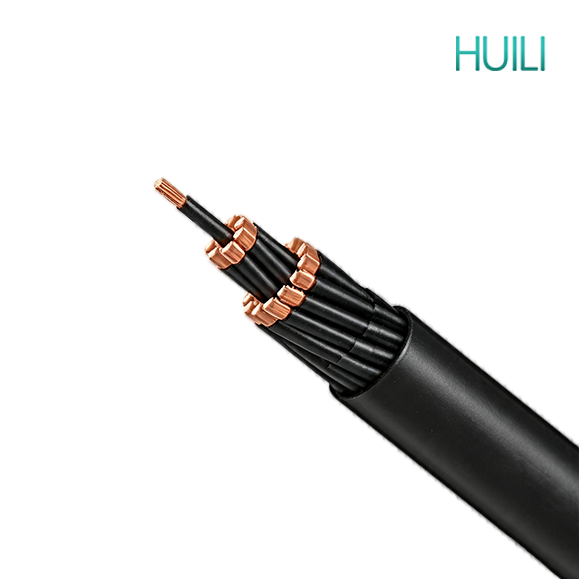
CHARACTERISTICS
Characteristics of Low Smoke Zero Halogen (LSZH) Control Cables
1. Basic Definition & Common Models
Typical models: WDZ-KYJY, WDZ-KYJVP, WDZ-KYJVP2, WDZ-KYJY22, WDZ-KYJY32
Conductor: Copper core
Insulation & sheath: Low smoke zero halogen polyolefin compound (no chlorine, bromine or other halogen elements)
Core positioning: Environment-friendly fire-safety control cable for densely populated public buildings
2. Main Advantages
(1) Zero halogen, non-toxic & non-corrosive combustion fumes
No halogen substances in raw materials. When burning, it will not release toxic hydrogen chloride, bromide and corrosive acid gas, unlike PVC cables.
- Avoids poisoning and respiratory injury to evacuation personnel during fire;
- Prevents corrosion damage to precision equipment, circuit boards, monitoring instruments and emergency power systems.
(2) Ultra-low smoke density for clear evacuation visibility
Generates far less white thin smoke during combustion compared with PVC. High light transmittance of smoke ensures clear escape routes, reduces stampede risks in fire accidents, and meets strict smoke density standards for subway, hospital and tunnel projects.
(3) Excellent thermal performance of XLPE/PO insulation
- Long-term allowable operating temperature: 90°C; short-circuit withstand temperature up to 250°C, higher ampacity than PVC insulated control cables of the same cross-section.
- Outstanding thermal aging resistance, stable insulation performance in high-temperature power distribution rooms and densely laid cable tunnels.
(4) Superior wide-range environmental adaptability
- Good weather & UV resistance: Resists sunlight aging, pulverization and cracking, suitable for outdoor exposed cable tray laying.
- Excellent low-temperature toughness: Remains flexible at -40°C without hardening or cracking, applicable to cold northern open-air and underground projects.
- Strong resistance to moisture, dilute acid, alkali and mineral oil, stable operation in damp pipe galleries and light chemical workshops.
(5) Optional flame retardant & fire-resistant grades
- WDZ: Low smoke zero halogen flame retardant, slows flame spread to avoid fire chain reaction;
- WDZN: Low smoke zero halogen fire-resistant, maintains normal circuit transmission under specified fire temperature for 90/180 minutes, critical for emergency lighting, fire alarm, smoke exhaust and elevator control circuits.
(6) Complete structural series for diverse laying demands
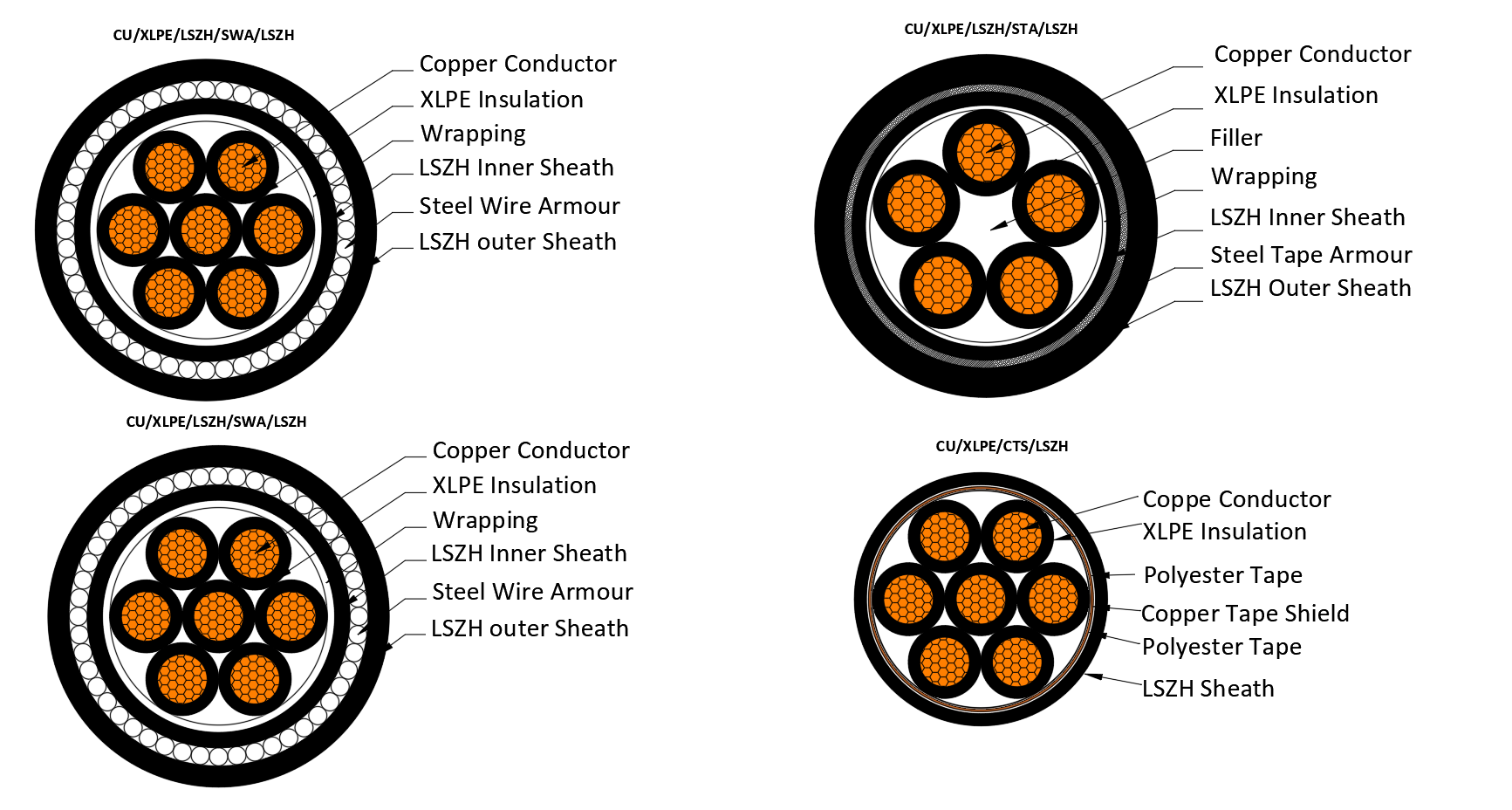
- Unarmored type (WDZ-KYJY): Indoor cable trays, control rooms;
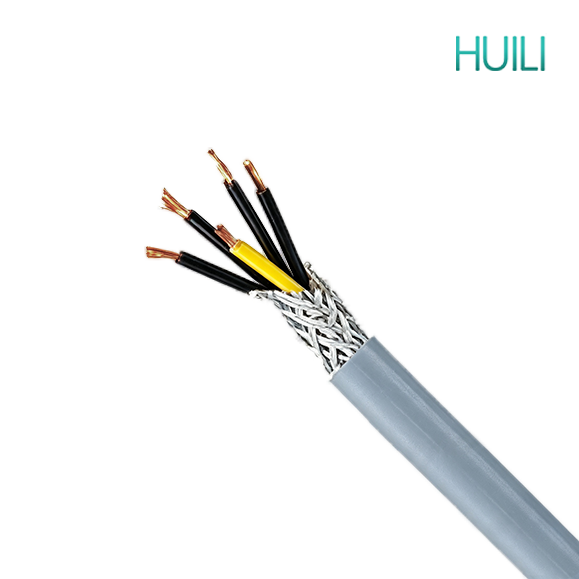
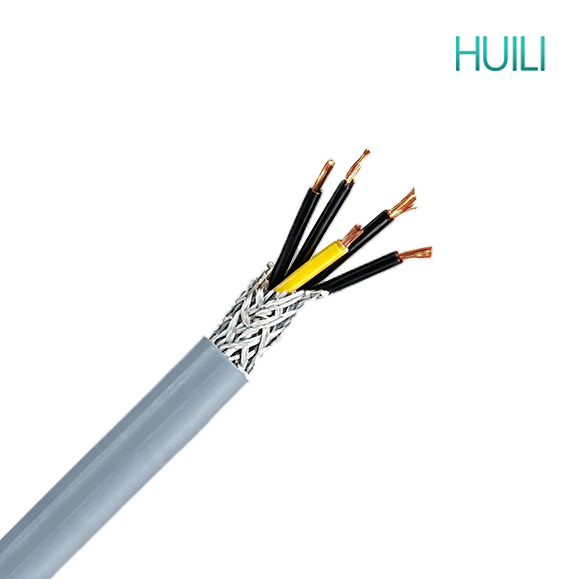
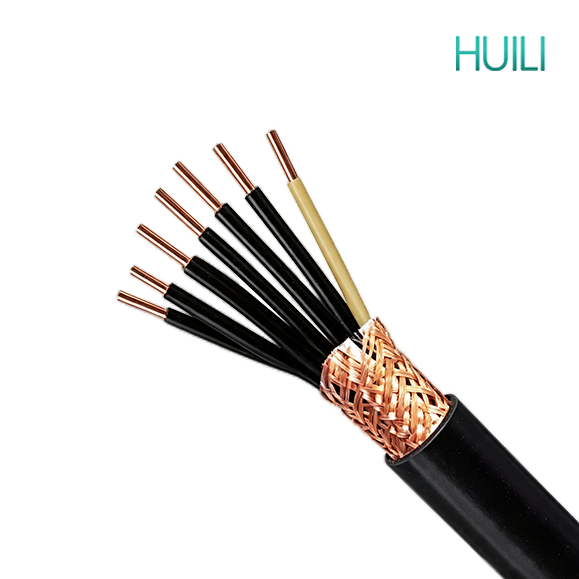
- Copper braided shield (WDZ-KYJVP): Suppress low-frequency magnetic interference near transformers;
- Copper tape shield (WDZ-KYJVP2): Excellent anti-high-frequency interference for inverter automation lines;
- Steel tape armored (WDZ-KYJY22): Anti-extrusion, anti-rodent, for horizontal direct burial;
- Steel wire armored (WDZ-KYJY32): High tensile resistance, for vertical shafts and suspended overhead laying.
(7) Long service life
Low smoke zero halogen polyolefin material resists oxidation and chemical erosion far better than PVC, extending the cable’s service life by 10–15 years in underground or outdoor environments.
3. Disadvantages
(1) Higher raw material & production cost
Special modified polyolefin materials and complex extrusion processes raise costs significantly. LSZH control cables cost 40%~70% more than equivalent PVC KVV series cables, increasing overall project investment.
(2) Harder texture, larger minimum bending radius
LSZH insulation and sheath have higher hardness than soft PVC. It requires a larger bending radius during installation, not suitable for ultra-narrow cabinet wiring with frequent sharp bending.
(3) Inferior oil resistance compared to PVC
Long-term immersion in high-concentration hydraulic oil or engine oil will cause slight swelling of LSZH sheath. For heavy oil-polluted workshops, oil-resistant customized LSZH or rubber-sheathed cables are required.
(4) Poor self-extinguishing performance without flame retardant modification
Ordinary non-flame-retardant low smoke zero halogen cables will continue burning when exposed to open fire. Flame retardant grade (WDZ) must be selected for public building fire protection systems.
4. Applicable Scenarios
- Densely populated public areas: Subways, hospitals, schools, shopping malls, high-rise residential & office buildings;
- Traffic infrastructure: Road tunnels, railway tunnels, underground comprehensive pipe galleries, airport terminals;
- Precision equipment rooms: Data centers, computer rooms, intelligent monitoring centers;
- Fire emergency circuits: Fire alarm linkage, emergency lighting, fire elevator, smoke exhaust fan control loops;
- Underground enclosed spaces with high evacuation safety requirements.
5. Unsuitable Scenarios
- Low-budget ordinary factory indoor cabinet control without fire & environmental protection requirements;
- Equipment wiring requiring repeated frequent flexible bending movement;
- Workshop areas with long-term heavy oil immersion without customized oil-resistant sheath.