CHARACTERISTICS
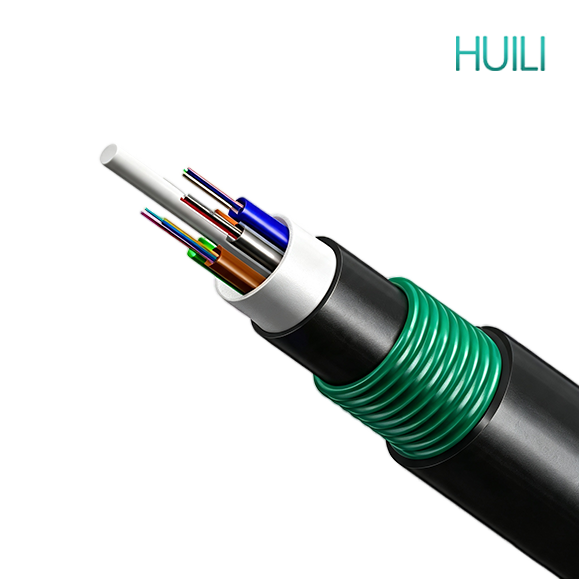
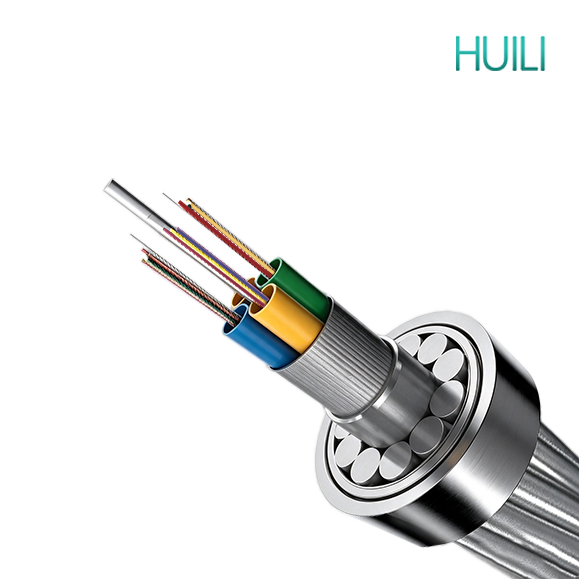
I. Structural Characteristics (Core Structural Components)
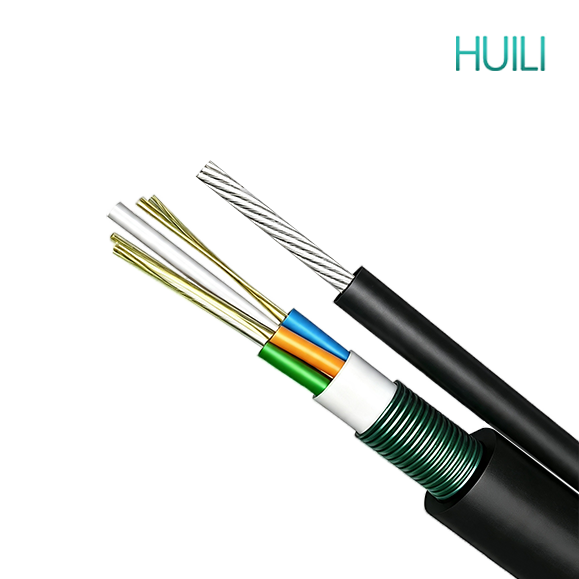
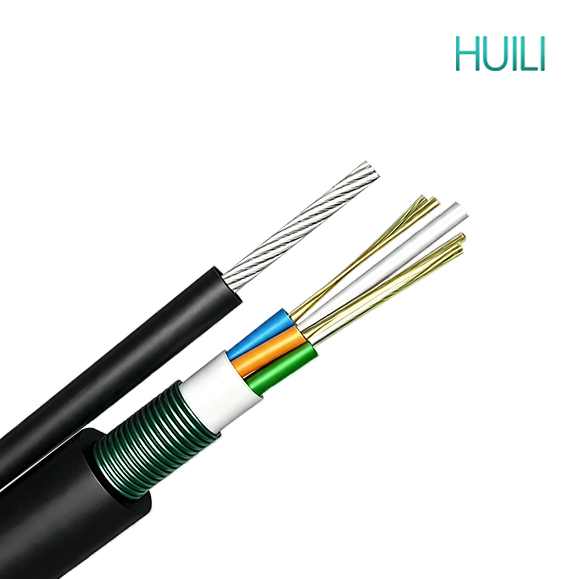
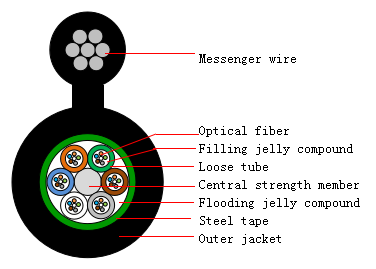
1. Upper Self-Supporting Suspension Unit: 7 strands of phosphated galvanized steel strand (Φ1.0×7 is the mainstream specification), independent integrated figure-eight sheath, no additional hanging fixtures required, can be directly suspended in the air, self-supporting capacity, simplifying construction.
2. Lower Optical Transmission Cable Core (Stranded)
1. Optical Fiber: Full-spectrum 250μm colored single-mode G.652D/G.655, core count 2-288
2. Loose Tube: High-modulus PBT material, filled with fiber grease to protect the optical fiber, resistant to hydrolysis and aging.
3. Central Reinforcing Member: Phosphated steel wire, balancing tension and controlling fiber excess length.
4. Cable Filler: The cable core is fully filled with water-blocking grease + water-blocking yarn, completely blocking water longitudinally.
5. Armored Protective Layer: Longitudinal corrugated steel-plastic composite tape (PSP), the steel tape pleats enhance resistance to lateral pressure, moisture and vapor barrier, blocking moisture and slight external pressure.
6. Outer Sheath: Black medium-density polyethylene (MDPE), UV resistant, high and low temperature resistant, outdoor aging resistant, integrally extruded figure-eight.
II. Mechanical Properties
1. Tensile Strength (Self-Supporting Core Advantage): Long-term allowable tensile force: 1000N; Short-term laying tensile force: 3000N. The steel strand suspension wires share all the overhead tension, and the optical fiber is almost unaffected by tensile stress.
2. Compression/Side Pressure Resistance: Long-term allowable pressure: 300N/100mm; Short-term: 1000N/100mm; Corrugated steel tape significantly improves compression resistance, resistant to wall compression and tree branch scratches.
3. Bending Performance: Static minimum bending radius: 10 times the short side outer diameter of the optical cable; Dynamic laying bending radius: 20 times the cable diameter, exhibiting good flexibility.
4. Impact Resistance and Light Rodent Protection: The steel tape armor can withstand the impact of gravel and light rodent damage. Outdoor overhead protection is superior to unarmored figure-eight cable (GYTC8A) in terms of resistance to external force damage. 5. Lightweight and Integrated Figure-Eight Structure: Eliminates the need for separate suspension cables, reducing the total weight by over 30% compared to "optical cable + steel stranded cable" for the same core count, thus reducing tower load.
III. Waterproof and Moisture-proof Environmental Characteristics
1. Dual Water-Blocking System: Loose tube fiber grease + integral cable core grease filling + steel-plastic composite waterproof layer provide bidirectional water blocking in both longitudinal and radial directions, preventing rainwater and condensation from penetrating and damaging the optical fiber.
2. Wide Temperature Range Operation
1. Long-term operating temperature: -40℃ ~ +70℃
2. Laying and installation temperature: -30℃ ~ +60℃. Stable fiber length under high and low temperatures, with no fiber breakage or sudden attenuation issues.
3. Weather-resistant and Anti-aging: Black PE sheath with added UV-resistant additives prevents cracking and powdering under long-term outdoor exposure; rust-proof composite coating on steel strips resists corrosion in humid and rainy areas.
IV. Optical Transmission Characteristics
1. Typical attenuation of mainstream G.652D single-mode fiber:
1. 1310nm ≤0.36dB/km
2. 1550nm ≤0.22dB/km (Hongan Group)
2. Precise control of fiber excess length results in minimal attenuation fluctuations due to temperature and tension changes, suitable for long-distance overhead transmission;
3. Low PMD polarization mode dispersion, compatible with high-speed services such as metropolitan area networks, CATV, and 5G base station backhaul.