CHARACTERISTICS
I. Structural Characteristics
1. Composite Integrated Structure
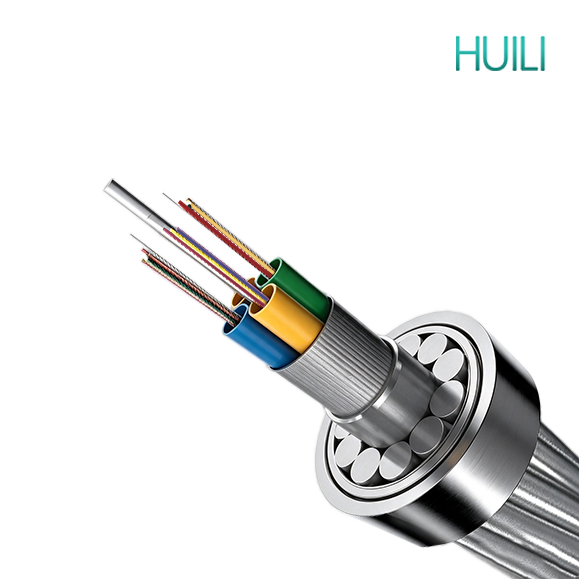
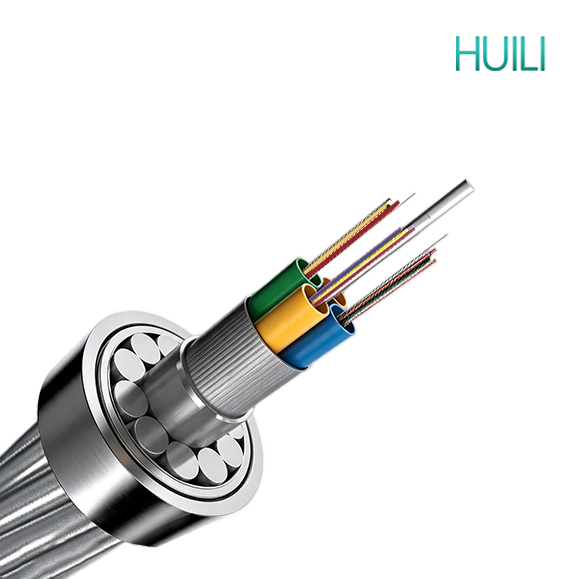
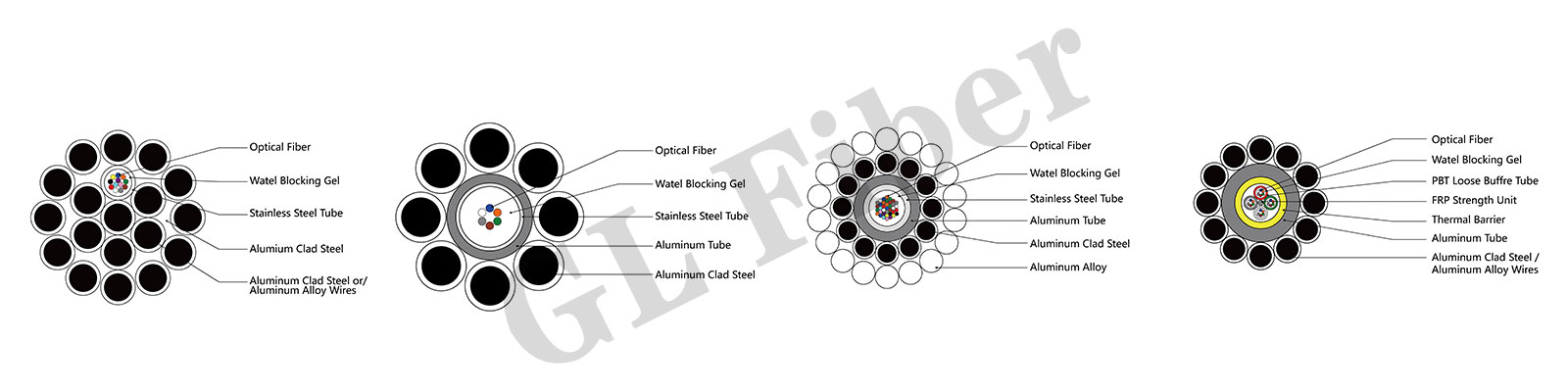
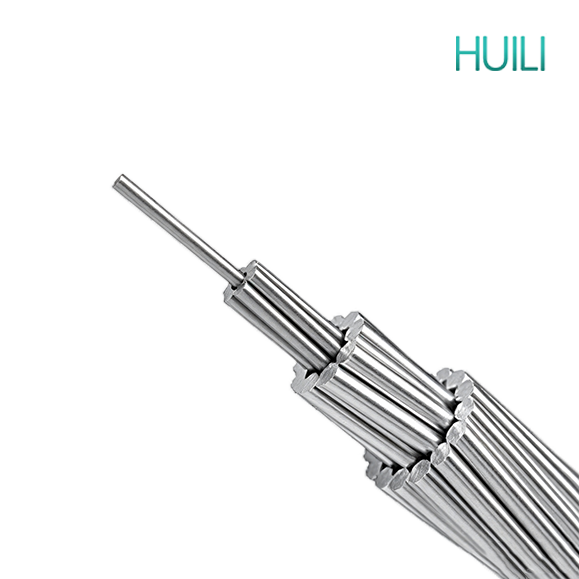
Outer Layer: Aluminum-clad steel stranded wire/aluminum alloy stranded wire, responsible for grounding, lightning protection, and mechanical load-bearing;
Inner Layer: Stainless steel/aluminum tube optical unit, with built-in single-mode optical fiber, independently sealed to protect the optical fiber, the metal stranded layer and optical unit are twisted together as one unit.
2. Optical Unit Classification
Central Tube Type: Optical fiber is concentrated in the central metal tube, simple structure, low cost;
Layer Stranded Type: Multiple fiber-containing small tubes are stranded together, large optical fiber capacity, better resistance to lateral pressure.
II. Electrical Characteristics (Core Power Attributes)
1. Lightning Protection Grounding
Replaces traditional overhead ground wires, direct lightning current quickly enters the ground through the outer metal stranded wire, protecting the transmission line; the optical fiber is electrically isolated from the metal conductor, lightning will not break down the optical fiber.
2. Short-Circuit Current Carrying Capacity
When a short circuit occurs in the line, it can carry a large short-circuit current for a short time, the temperature rise is controllable, it does not melt or damage the internal optical fiber; different short-circuit current ratings are available to adapt to different voltage levels of lines (10kV~1000kV UHV). 3. Low DC Resistance: The aluminum-clad steel material balances conductivity and strength, resulting in low loop loss and the ability to function as a power line carrier channel.
III. Optical Transmission Characteristics (Communication Attributes)
1. All-Medium Fiber Immune to Electromagnetic Interference (EMI/EMP Immunity): Free from electromagnetic induction, crosstalk, and high-voltage induced noise, ensuring stable communication even in strong electromagnetic environments, superior to ADSS and power cables.
2. Stable Transmission Performance: Mainstream utilizes G.652D single-mode fiber, featuring low attenuation and controllable dispersion, suitable for high-reliability services such as SDH, PTN, 5G power grid private networks, relay protection, and stability control.
3. High-Capacity Fiber Configuration: Fiber core counts cover 6/12/24/48/72/96/144 cores, meeting the needs of multi-service co-cable transmission for dispatching, protection, video, and IoT.
IV. Mechanical Characteristics
1. Ultra-High Tensile Strength: The outer layer consists of high-strength aluminum-clad steel stranded wires with a high rated breaking strength (RTS), withstanding installation tension, annual wind loads, and icing loads. 2. Excellent Vibration and Fatigue Resistance: The special stranded structure suppresses aerodynamic vibrations and secondary span oscillations, preventing strand breakage and fiber optic cable damage during long-term suspension; matching anti-vibration hardware further extends service life.
3. Suitable for Long-Span Installations: High strength, suitable for long-distance transmission lines in mountainous areas and across rivers.
V. Environmental Weather Resistance
1. Wide Temperature Range Operation: The fiber optic cable is compatible with metal sheaths, with extreme temperature differences from -40℃ to +70℃, suitable for use in extremely cold and hot desert environments.
2. Corrosion Resistance: The outer aluminum-clad steel layer resists atmospheric corrosion, acid rain, and coastal salt spray; a thicker aluminum-clad anti-corrosion model is available for coastal areas.