CHARACTERISTICS
I. Electrical Conductivity Characteristics
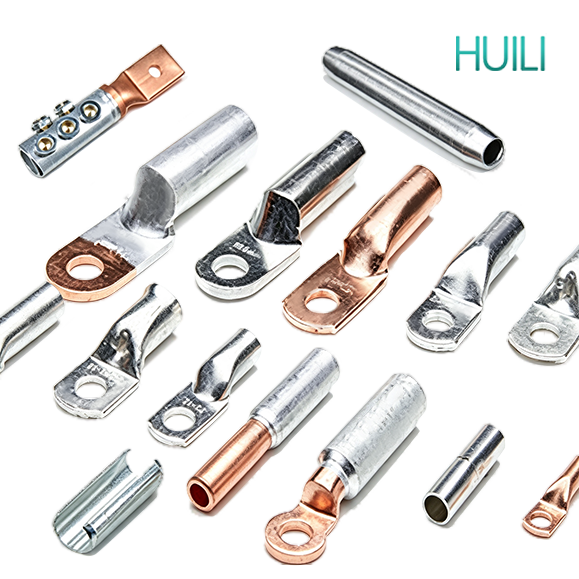
1. Low Contact Resistance: The main body is made of highly conductive copper (T2), high-purity aluminum, with tin/silver/nickel plating on the surface. After crimping, they fit tightly, reducing heat generation and voltage drop, suitable for high-current applications.
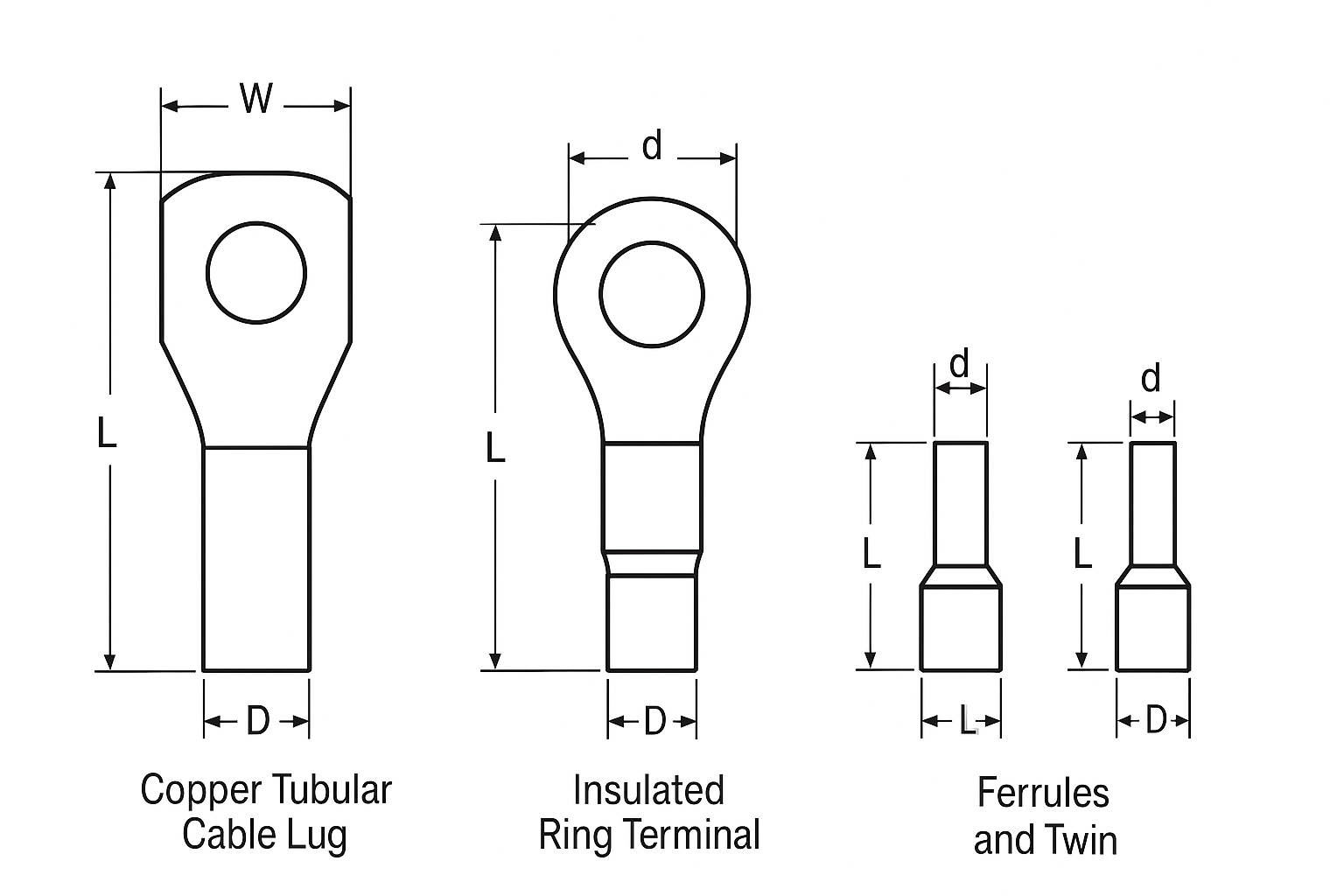
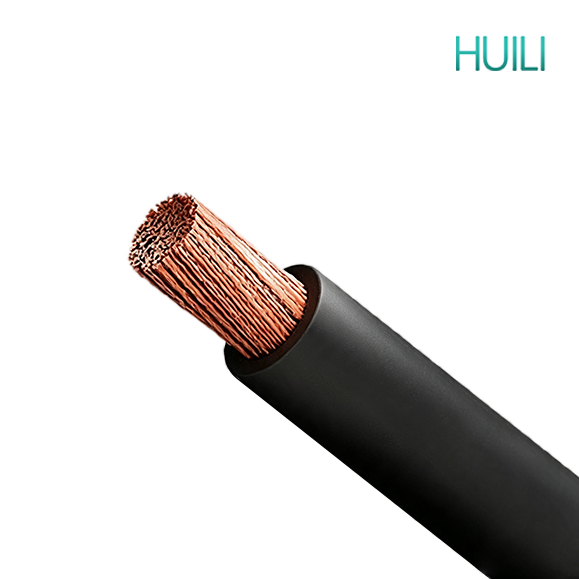
2. Current Carrying Capacity Matching: The terminal tube inner diameter and cross-sectional area correspond to the cable cross-section (1.5mm²–400mm² and above). Thicker versions offer higher current carrying capacity for the same wire diameter, meeting the continuous power requirements of power distribution, motors, and control cabinets.
3. Arc Resistance and Stable Conductivity: Seamless, one-piece molding avoids localized heating and oxidation; the tin plating layer isolates the copper and aluminum from the air, preventing the formation of an insulating oxide layer that could lead to poor contact.
4. AC/DC Universal: Suitable for low-voltage AC 380V/220V, DC energy storage, photovoltaics, and power distribution cabinet applications.
II. Mechanical Structure and Mechanical Properties
1. Strong Crimping and High Tensile Strength: The thickened tubular body design allows for secure crimping of the cable conductor with professional crimping pliers, preventing pull-out and vibration (resistant to long-term vibration in motors, vehicles, and industrial control equipment).
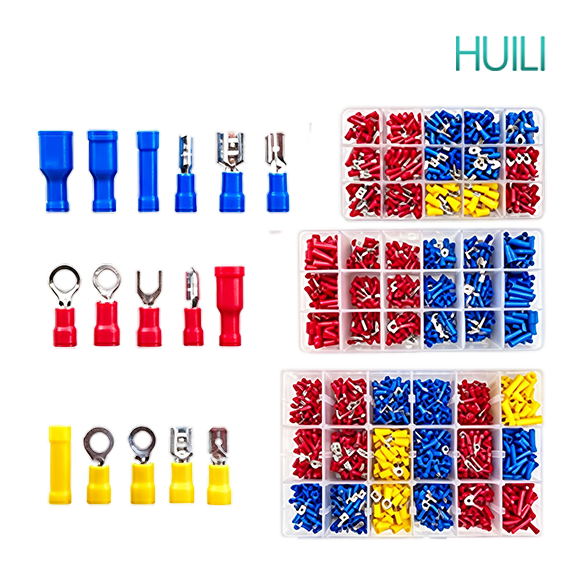
2. Standardized Mounting Holes: Features circular mounting holes at the front (M4/M6/M8/M10/M12, etc.) for bolt tightening; available in short, long, double-hole, wide-edge, right-angle L-type, and European-style pin types to suit different installation spaces.
3. Toughness and Deformation Resistance: The copper base material has good ductility, preventing cracking during crimping; the thickened design withstands tightening pressure, preventing flattening and breakage even when bolts are tightened.
4. Size Compatibility: The tube diameter precisely matches single/multi-strand flexible and rigid cables; the long tube terminals accommodate multi-strand thick cables, ensuring all conductors are fully inserted into the tube for conductivity.
III. Corrosion Resistance and Environmental Weather Resistance
1. Surface Anti-corrosion Coating
1. Tin Plating: General purpose, anti-oxidation, resistant to mild acids and alkalis, suitable for indoor general power distribution;
2. Silver Plating: High conductivity, suitable for high-frequency and precision electrical control;
3. Nickel Plating: Enhanced salt spray resistance, suitable for outdoor, marine, and chemical applications;
4. Bare Copper: Only suitable for dry indoor environments, low cost, but prone to oxidation.
5. Copper-Aluminum Transition Special Anti-corrosion: A composite transition layer between copper and aluminum terminals prevents direct contact between copper and aluminum, thus avoiding electrochemical corrosion and solving the problem of overheating and burning when connecting aluminum wires to copper busbars.
6. Temperature Resistance: Pure copper terminals have a long-term operating temperature of -40℃ to 120℃; when paired with an insulating sleeve, it can prevent low-temperature embrittlement and high-temperature aging.
7. Protective Equipment: Can be paired with PVC heat shrink tubing and insulating sleeves to achieve insulation, waterproofing, and dustproofing; waterproof lugs are suitable for outdoor photovoltaic and wind power applications.