CHARACTERISTICS
I. Mechanical Locking + High Tensile Strength (Stress Relief)
Tightening the clamping nut compresses the internal elastic claws, radially gripping the cable's outer sheath; in conjunction with the backplate nut, it firmly secures the cable to the cabinet opening, forming a double tensile buffer:
1. Prevents dragging and vibration from causing cable terminals to loosen or core wires to break;
2. Standard models have a tensile strength of 100~500N, explosion-proof/armored models have even higher tensile strength ratings;
3. Features a built-in horn-shaped anti-cut structure to prevent the claws from scratching the cable sheath and causing leakage.
4. Standard environment: IP65/IP66; Outdoor, underwater, and humid conditions: IP67/IP68;
5. Sealing material: NBR nitrile rubber, silicone, resistant to water, oil, moisture, dust, and condensation.
6. Standard operating range: Static -40℃~100℃, short-term 120℃; Dynamic vibration condition -20℃~80℃.
7. Nylon version: Lightweight, good low-temperature toughness.
8. Brass/Stainless steel version: High temperature resistance, sun exposure resistance, and resistance to temperature difference impact.
II. Differentiated characteristics of material classifications
Nylon plastic gland (PA66)
1. Advantages: Insulating and non-conductive, lightweight, low cost, resistant to weak acids and alkalis, no electromagnetic interference;
2. Disadvantages: Moderate mechanical strength, prone to aging at long-term high temperatures, unsuitable for high-impact, explosion-proof, and shielded scenarios;
3. Applications: Indoor control cabinets, general equipment, low-voltage signal lines.
Nickel-plated brass glands (mainstream metal type) Glander performance:
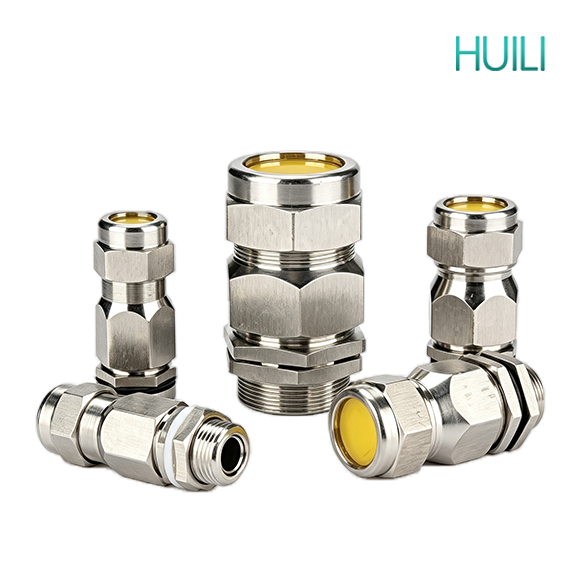
1. Advantages: High mechanical strength, impact resistance, EMC shielding, grounding capability, salt spray corrosion resistance;
2. Characteristics: Continuous conductivity, can be connected to cable shielding to discharge electromagnetic interference; nickel plating layer resists salt spray for over 500 hours;
3. Applications: Machine tools, outdoor equipment, industrial control equipment requiring anti-interference.
304/316 Stainless Steel Glanders
1. Superior corrosion resistance: Resistant to seawater, chloride ions, strong acids and alkalis, salt spray for 1000+ hours, UV resistant;
2. Highest strength, resistant to mechanical impact, corrosive gases, marine, chemical, and food cleanrooms;
3. Disadvantages: High price, heavy weight.
Explosion-proof Glanders (Flameproof Ex d / Increased Safety Ex e)
1. Complies with GB3836 and IEC60079 explosion-proof standards, for use in Zone 1/2 flammable and explosive gas and dust environments;
2. Long effective thread (≥5 threads), thickened double seal, strict gap control, preventing internal spark leakage;
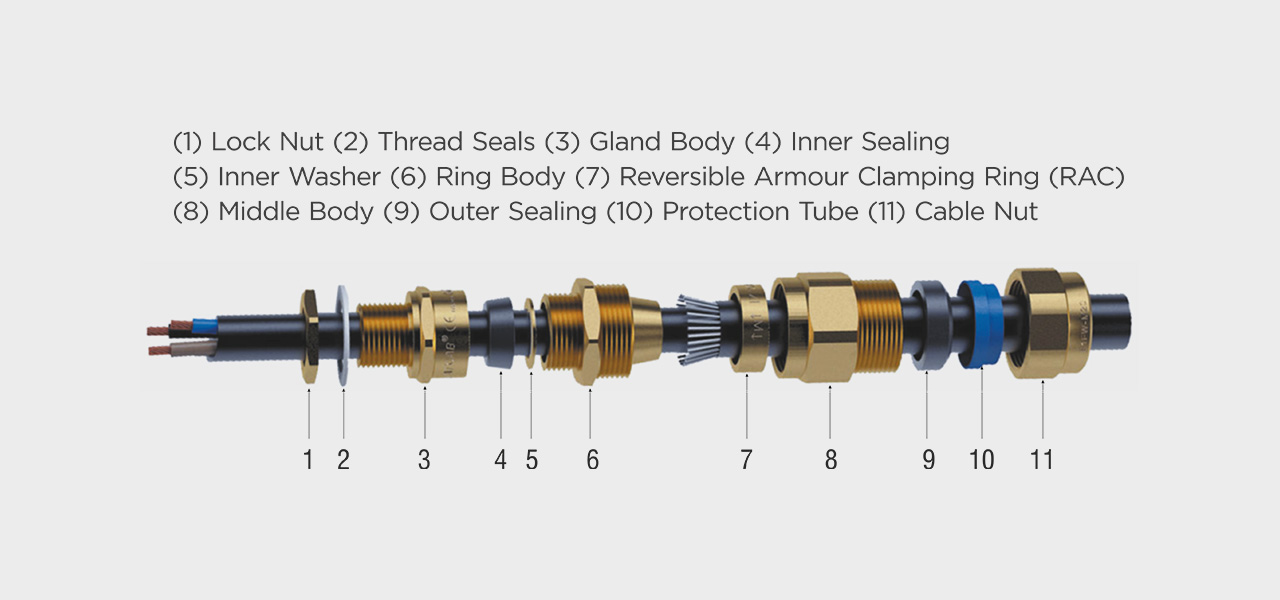
3. Armored explosion-proof models additionally include an armored locking ring to secure the steel wire/steel strip armor, providing double sealing;
4. Strong airtightness of the explosion-proof cavity, preventing flammable gases from entering the electrical control box.
Armored Cable Glanders
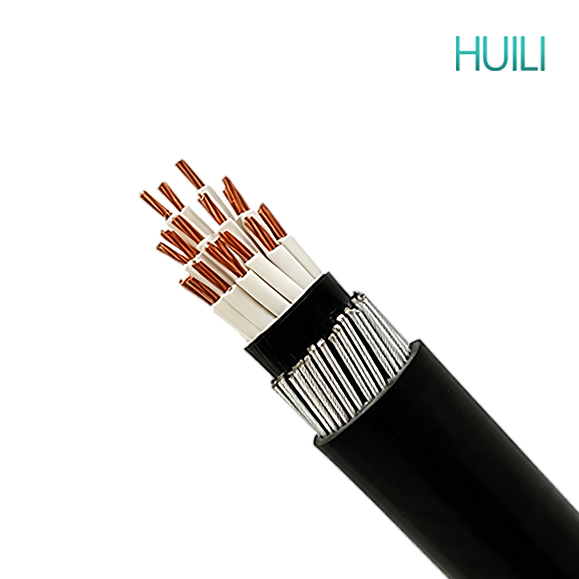
1. Independent armored clamping assembly, simultaneously locking the cable outer sheath + metal armor layer;
2. Metal armor and connector conduction, providing tensile strength, grounding, and shielding;
3. Double rubber seal, superior waterproof and explosion-proof performance compared to ordinary single-seal models.
IV. Installation and General Structural Characteristics
1. Compatible with Multiple Thread Standards: Metric M, German PG, British G pipe threads, and American NPT tapered threads, suitable for equipment cabinets worldwide;
2. Optional Thread Lengths: Short threads are suitable for thin plates, while longer threads are suitable for thick enclosures and flanges;
3. Modular Structure: Locking nut, body, sealing ring, clamping claw, and compression nut; easy to assemble and disassemble; cables can be replaced later;
4. Environmentally Compliant: All RoHS compliant, free of heavy metal pollution.