1. Structural Characteristics
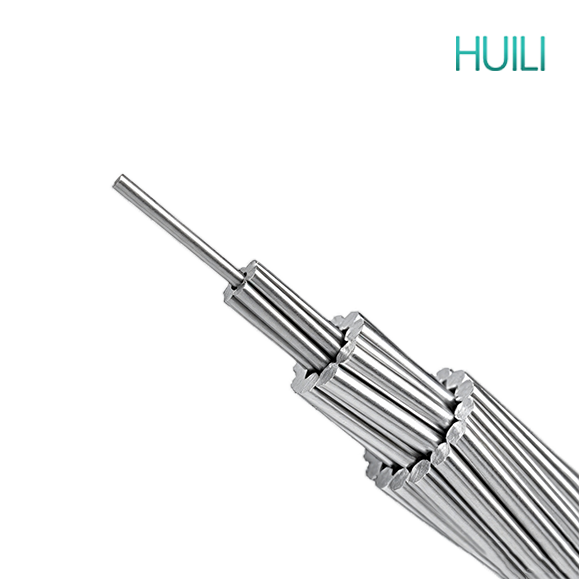
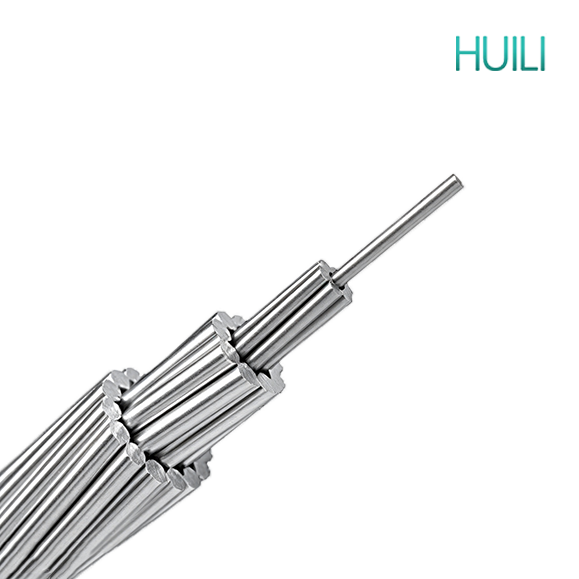
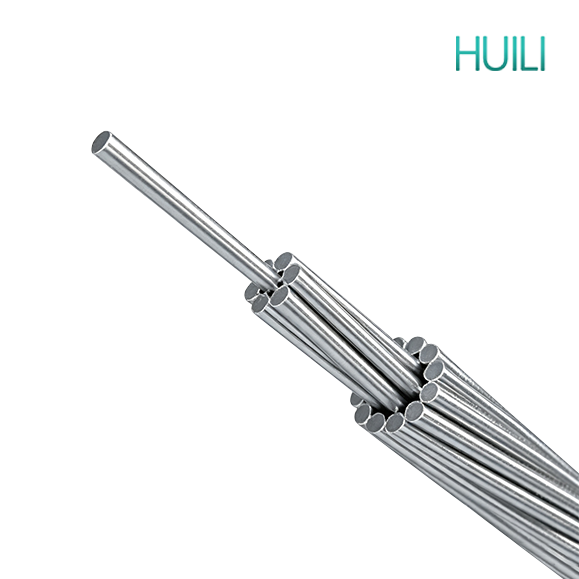
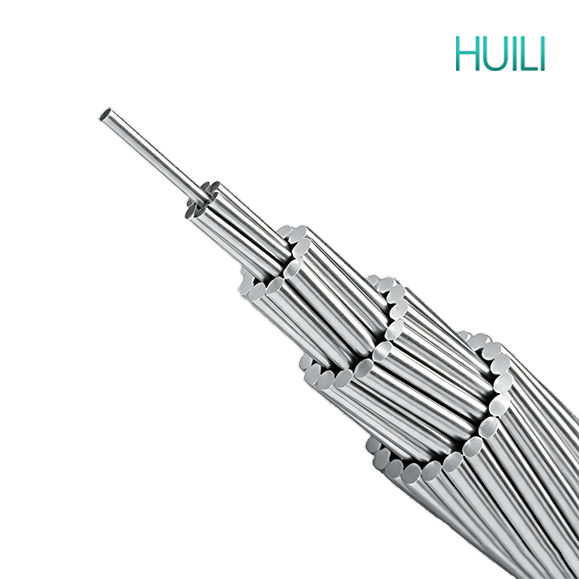
1. Concentric stranding structure: Central steel core (1/7/19 galvanized steel strands) + multi-layer outer aluminum strands; adjustable aluminum-to-steel area ratio to balance conductivity and tensile strength.
2. Customizable steel core types:
- Standard galvanized steel (GA2): general inland transmission lines
- High-strength galvanized steel (GA5): long-span, heavy ice/wind load sections
- Al-clad steel / Zn-5Al alloy coated steel: coastal, high-corrosion environment anti-rust upgrade
3. Flexible stranded design: Good bending performance, easy transportation, stringing and installation on transmission towers.
2. Electrical Characteristics
1. High conductivity: Aluminum conductivity ≈61% IACS; almost all power flows through outer aluminum layers, steel core barely conducts electricity.
2. Controllable DC resistance: Typical DC resistance (20℃): 0.02~0.40 Ω/km, determined by aluminum cross-section and stranding structure.
3. Skin effect advantage: At AC high frequency, current concentrates on conductor surface (aluminum layer), effectively avoiding power loss from steel core’s high resistivity.
4. Low corona loss: Larger overall diameter vs all-aluminum conductor (AAC) of equal conductive area, reduces corona discharge and radio interference for HV/EHV lines.
5. Operating temperature limit: Continuous allowable temperature: 75–90℃. Exceeding this will anneal hard-drawn aluminum, permanently reducing tensile strength; high-temperature scenarios adopt ACSS instead.
6. Typical ampacity range: 200–1500 A (depends on cross-section, wind speed, ambient temperature).
3. Mechanical Characteristics (Core Advantage vs AAC/AAAC)
1. Ultra-high tensile strength: Steel core tensile strength: 1100–1800 MPa; total rated breaking strength 20–250 kN. Supports extra-long spans (over 400m), river-crossing and mountain valley lines with fewer supporting towers.
2. Low sag performance: Composite linear expansion coefficient (between aluminum 23×10⁻⁶ /℃ and steel 11.5×10⁻⁶ /℃) far lower than pure aluminum conductors; much smaller thermal sag under full load, improving line safety clearance.
3. Excellent strength-to-weight ratio: Aluminum low density (2.703 g/cm³) + high-strength steel core: lighter weight than pure steel cable, stronger than full-aluminum cable of same weight.
4. Strong environmental load resistance: Resists heavy ice coating, strong wind vibration; standard galvanization provides basic anti-corrosion for inland areas.
5. Self-damping property: Small relative sliding between aluminum and steel strands suppresses aeolian vibration, less fatigue breakage risk.
4. Advantages
1. Balanced electrical conductivity & mechanical strength, mature universal design for global power grids.
2. Cost-effective: lower price than AAAC/ACSS, complete global supply chain.
3. Wide application coverage: 10kV distribution lines to 500kV/750kV ultra-high voltage transmission lines.
4. Easy maintenance, fully recyclable aluminum & steel materials.
5. Limitations
1. Maximum continuous working temperature only ~90℃, cannot overload for long periods.
2. Ordinary galvanized steel core suffers accelerated corrosion in coastal salt fog, industrial acid gas environments (needs aluminum-clad steel core upgrade).
3. Proximity effect exists in multi-circuit parallel lines, slightly increasing AC loss.
6. Main Application Scenarios
- General overhead high/extra-high voltage transmission lines
- Long-span river-crossing, mountain-crossing overhead lines
- Overhead ground wires (shield wires) for transmission towers
- Medium-voltage rural & urban distribution overhead lines